




What Colour Wheel Nut Indicators Should You Choose?
Wheel nut indicators are available in a range of highly visible colours, but does the colour actually matter? While the colour has no effect on the indicator's ability to detect wheel nut movement, it can have a significant impact on inspection speed, consistency and fleet standardisation. This guide explains how to choose the right colour wheel nut indicators for your commercial vehicles and what factors should influence your decision.
Estimated reading time: 6 minutes
Who this guide is for: Fleet Managers • Transport Managers • Workshop Managers • Commercial Vehicle Technicians • Owner Operators
Last reviewed: July 2026
Quick Answer
The best colour for wheel nut indicators is one that provides strong visual contrast against the wheel, making movement easy to identify during routine inspections.
Fluorescent colours such as yellow, orange and lime green are the most commonly used because they're highly visible in a wide range of lighting conditions.
Browse Parma's range of Wheel Nut Indicators
At a Glance
In this guide
-
Why wheel nut indicator colour matters
-
The most common colours available
-
Choosing the right colour for your fleet
-
Does colour affect performance?
-
Frequently asked questions
Does the Colour Affect Performance?
No.
The colour of a wheel nut indicator has no effect on its ability to indicate wheel nut movement.
Whether the indicator is yellow, orange, green or another colour, it performs exactly the same function.
The purpose of the colour is to improve visibility during inspections, allowing drivers and technicians to recognise movement quickly and accurately.
Why Visibility Is So Important
Wheel nut indicators are designed to be checked during routine walkaround inspections.
These inspections often take place:
-
Early in the morning
-
Late in the evening
-
In poor weather
-
On busy transport yards
-
At roadside locations
-
In workshop environments with varying lighting
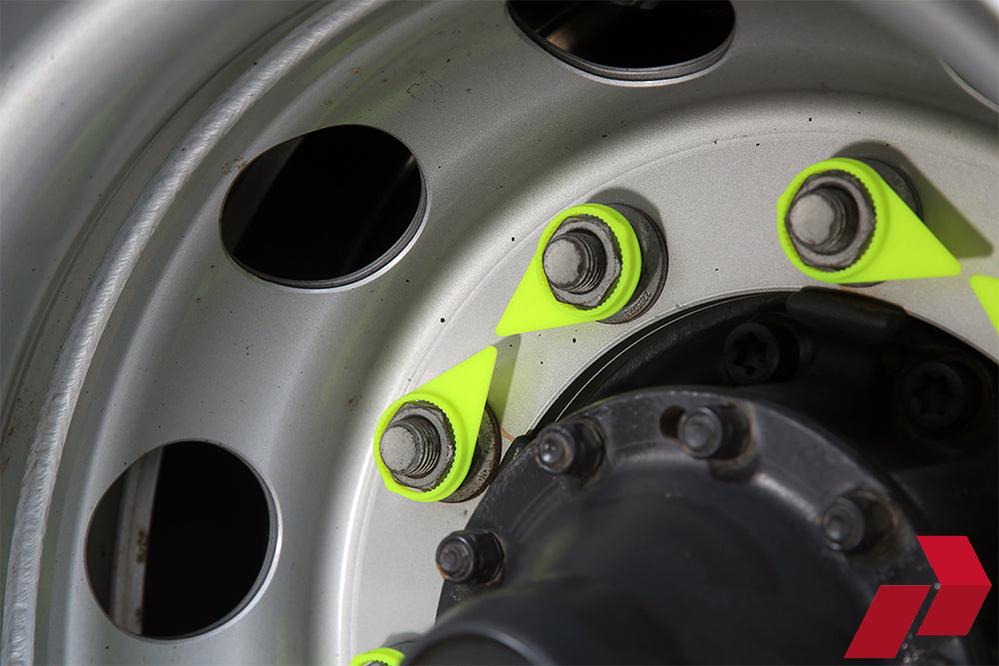
A bright, contrasting colour helps indicators stand out against the wheel, making any change in alignment much easier to spot.
The faster an inspector can recognise an indicator that has moved, the more effective the inspection process becomes.
The Most Common Wheel Nut Indicator Colours
Yellow
Yellow remains one of the most widely used colours across commercial vehicle fleets.
Its advantages include:
-
Excellent visibility
-
Strong contrast against most wheels
-
Easy recognition during inspections
-
Suitable for almost every commercial vehicle application
For many fleets, yellow is the default choice.
Orange
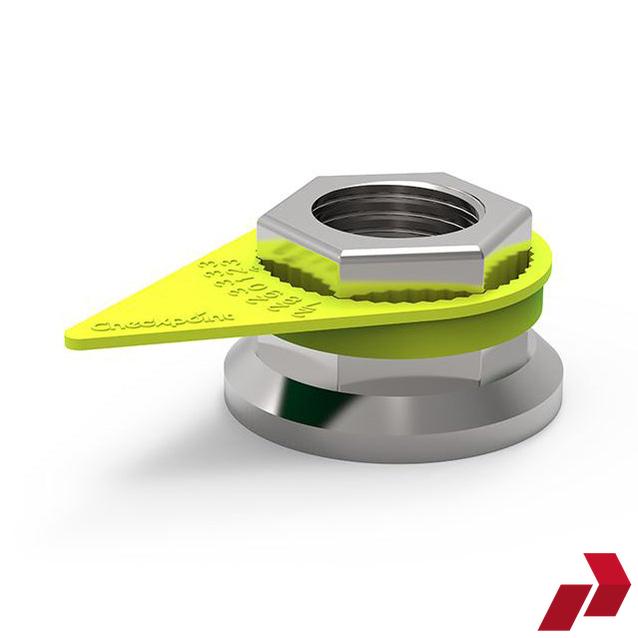
Orange offers similarly high visibility and is particularly popular where fleets already use orange for other safety equipment.
Benefits include:
-
High contrast
-
Excellent visibility in daylight
-
Easily recognised during routine inspections
-
Widely available across commercial vehicle applications
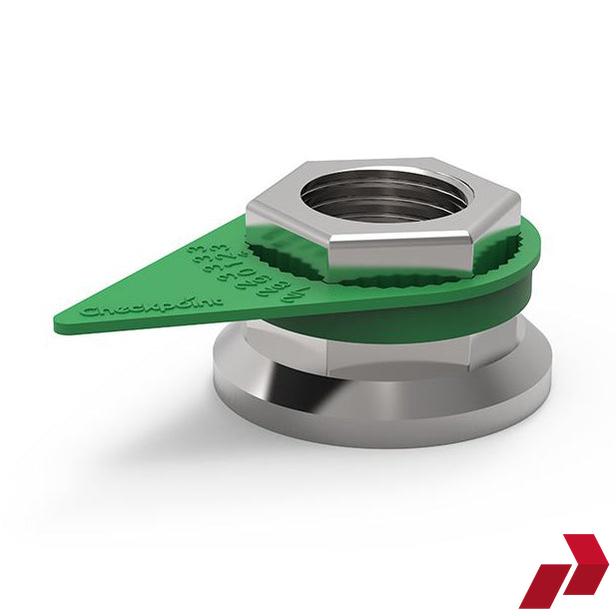
Lime Green
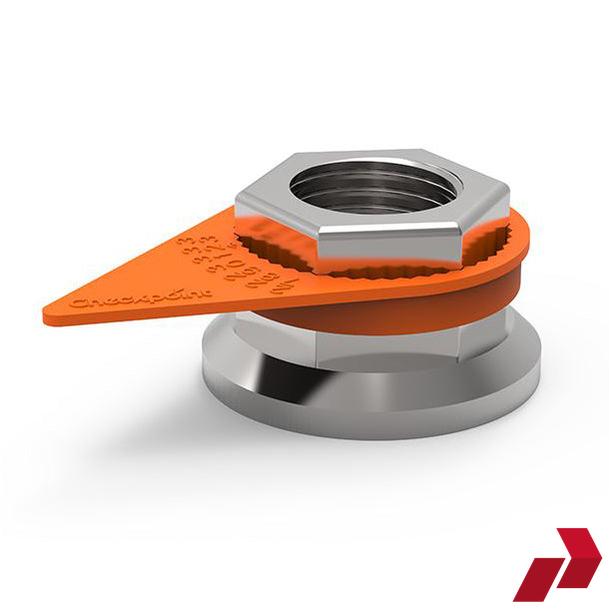
Lime green provides exceptional visibility and is often chosen where inspections are carried out in lower-light environments.
Its brightness can make indicators particularly easy to identify from a distance.
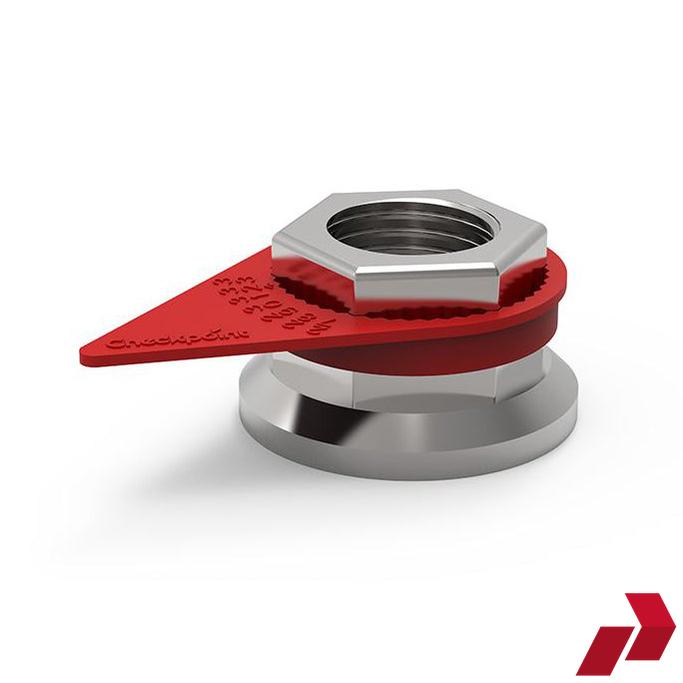
Red
Red indicators are less common but may be selected where fleet colour coding forms part of a wider maintenance or asset management system.
Visibility remains good, although contrast will depend on the colour of the wheel itself.
Other Colours
Some manufacturers offer additional colours for specific operational requirements or internal fleet coding systems.
Regardless of colour, the most important consideration is maintaining consistency across the fleet.
Choosing the Best Colour for Your Fleet
Rather than selecting colours based purely on appearance, consider the working environment.
Questions to ask include:
-
Will inspections take place in low light?
-
What colour are the vehicle wheels?
-
Will drivers inspect vehicles outdoors?
-
Does the fleet already use colour coding for maintenance?
-
Is consistency across multiple depots important?
The ideal colour is one that allows inspectors to recognise changes instantly without having to look closely at each wheel.
Should Every Vehicle Use the Same Colour?
In most cases, yes.
Standardising wheel nut indicator colours offers several advantages.
It helps:
-
Simplify driver training.
-
Improve inspection consistency.
-
Reduce stockholding complexity.
-
Make replacement ordering easier.
-
Create a consistent fleet appearance.
Using multiple colours without a clear reason can make inspections more confusing, particularly across larger fleets.
Can Different Colours Be Used for Different Purposes?
Some operators choose to use different colours for operational reasons.
For example:
-
Different vehicle types.
-
Different depots.
-
Different maintenance programmes.
-
Different wheel configurations.
Where colour coding is introduced, it should be documented clearly so every driver and technician understands its purpose.
Otherwise, a single fleet-wide colour is usually the simplest and most effective solution.
Colour Is Less Important Than Correct Installation
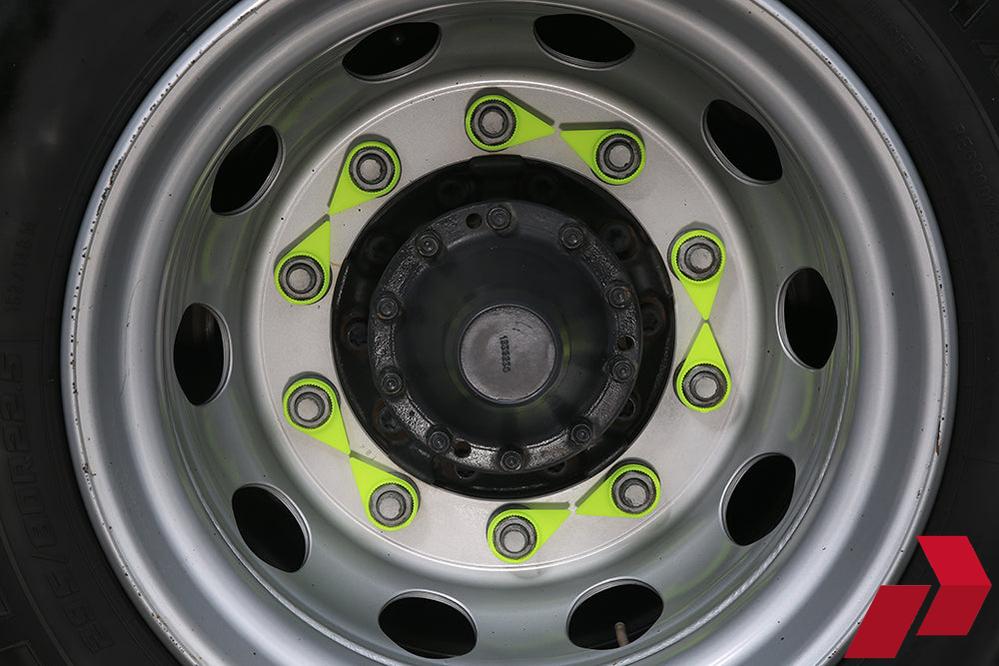
Although colour improves visibility, correct installation has a much greater impact on inspection effectiveness.
Every indicator should be:
-
Correctly sized.
-
Fully fitted.
-
Installed after wheel torque procedures.
-
Aligned in a consistent pattern.
A brightly coloured indicator installed incorrectly is less effective than a correctly aligned indicator in almost any colour.
For installation guidance, read: How to Fit Wheel Nut Indicators
What About Heat-Indicating Products?
Some specialist wheel nut indicators are manufactured using heat-sensitive polymers.
These products are designed to deform or change appearance if exposed to unusually high temperatures around the wheel assembly.
Although they may look similar to standard indicators, their purpose extends beyond movement detection by also providing an additional visual warning that excessive heat may be present.
These products are particularly useful for fleets operating in demanding environments where brake or bearing temperatures require closer monitoring.
Parma Expert Insight
Fleet managers often spend time choosing between yellow and orange indicators, but in practice, consistency matters far more than the specific colour. A standard colour across every vehicle helps drivers recognise abnormalities instantly, regardless of which vehicle they're inspecting.
Common Mistakes
Choosing Colour for Appearance Alone
The brightest or most attractive colour isn't always the most practical.
Visibility should always take priority over aesthetics.
Mixing Colours Randomly
Using several colours without an inspection strategy can create confusion.
Standardisation usually delivers better results.
Forgetting Wheel Colour
The effectiveness of an indicator depends on how well it contrasts with the wheel behind it.
Choose colours that remain easy to see in all operating conditions.
Assuming Colour Indicates Product Quality
The performance of a wheel nut indicator depends on its design and correct installation—not its colour.
Frequently Asked Questions
Which colour wheel nut indicator is most common?
Yellow and orange are the colours most commonly used across commercial vehicle fleets because of their excellent visibility.
Does colour affect how the indicator works?
No.
All colours perform the same monitoring function.
Can I mix colours on the same vehicle?
It's possible, but it's generally not recommended unless the colours form part of a clearly defined inspection or maintenance system.
Which colour is easiest to see?
Fluorescent yellow, orange and lime green all provide excellent visibility in most commercial vehicle applications.
The best choice often depends on the wheel finish and operating environment.
Should my whole fleet use the same colour?
For most operators, yes.
Using one colour across the fleet helps create faster, more consistent inspections and simplifies replacement stock management.
Related Resources
Continue reading:
You may also find these Parma resources useful:
Choose Wheel Nut Indicators That Make Inspections Easier
The best wheel nut indicator colour is the one that allows your drivers and technicians to identify movement quickly and consistently. By choosing a highly visible colour and standardising it across your fleet, you can make routine inspections faster, simpler and more effective.
Explore Parma's range of Wheel Nut Indicators to find durable, high-visibility solutions for HGVs, trucks, trailers, buses and commercial fleets.
