



Winter Fleet Preparation Starts in September—Not November
The operators who navigate winter with the fewest disruptions don't wait for the first cold snap. They prepare months before temperatures begin to fall.
Every year, the same pattern repeats itself.
The first frost arrives, temperatures drop overnight and workshops suddenly become much busier.
Batteries begin to fail. Tyres are scrutinised more closely. Wiper blades that should have been replaced weeks earlier suddenly become urgent. Vehicles that performed perfectly well through summer start showing signs of weakness.
By November, many fleet operators are already reacting to winter.
The highest-performing fleets, however, started preparing in September.
Not because they expect severe weather earlier, but because they understand that effective winter preparation isn't about responding to cold conditions—it's about reducing the operational risks that cold weather exposes.

Winter Doesn't Create Problems—It Reveals Them
Cold weather is often blamed for vehicle failures, but in reality it usually exposes weaknesses that already existed.
A battery nearing the end of its service life is far more likely to fail on a frosty morning than during a mild summer afternoon.
Tyres with marginal tread depth become a much bigger safety concern on wet or icy roads.
Damaged mirrors, worn wiper blades and poor lighting become significantly more problematic as daylight hours shorten and visibility deteriorates.
Winter simply magnifies issues that have been building throughout the year.
That's why successful fleet operators focus on identifying vulnerabilities before they become operational problems.
Small Delays Quickly Become Operational Problems
For many commercial fleets, winter isn't just about difficult driving conditions.
It's about maintaining service levels despite additional pressure.
Morning vehicle checks take longer.
Drivers need more time to clear windscreens and complete inspections.
Traffic congestion increases.
Delivery schedules become tighter.
Customer expectations remain unchanged.
A relatively small issue—such as replacing a failed battery or repairing a damaged mirror—can have a disproportionate impact when every vehicle is already operating under increased pressure.
Preparation isn't about eliminating every problem.
It's about reducing the number of avoidable ones.
Visibility Should Never Be an Afterthought
As daylight hours reduce, visibility becomes one of the most important aspects of vehicle safety.
Fleet managers naturally think about headlights and wiper blades, but good visibility depends on much more than that.
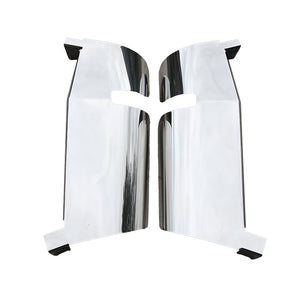
Mirrors should be clean, secure and free from damage.
Lighting systems need to be fully operational.
Drivers should have clear visibility around the vehicle during manoeuvres, particularly in busy depots and customer premises where winter weather can further restrict sightlines.
Even relatively minor damage that may have been tolerated during summer can become a genuine operational issue once poor weather arrives.
Addressing these items early avoids unnecessary disruption later in the season.

Don't Overlook the Effects of Autumn
Autumn often causes more gradual damage than winter itself.
Leaves, standing water and road debris increase the amount of dirt and moisture vehicles are exposed to.
Road spray reduces visibility.
Mud and grit accelerate wear on exposed components.
As temperatures fluctuate, moisture remains on vehicles for longer periods, increasing the potential for corrosion if cleaning and maintenance routines are neglected.
By establishing regular cleaning and inspection schedules before winter arrives, operators are better positioned to protect both vehicle condition and long-term reliability.
Winter Preparation Should Extend Beyond the Workshop
Preparing a fleet isn't solely the responsibility of the maintenance team.
Drivers play an equally important role.
Simple reminders issued at the beginning of autumn can make a noticeable difference throughout winter.
These might include:
-
Carrying out more thorough daily walkaround inspections.
-
Reporting minor damage immediately.
-
Allowing extra time for vehicle checks before departure.
-
Paying closer attention to visibility equipment.
-
Highlighting recurring issues before they develop into larger repairs.
Creating awareness across the operation often prevents small problems from becoming costly disruptions later in the season.
The Best Fleets Work to a Seasonal Maintenance Plan
Rather than treating winter as an isolated event, many operators now structure maintenance around the changing demands of the year.
Autumn becomes the period for preparing vehicles.
Winter focuses on maintaining reliability.
Spring is used to assess wear and recover from the harsher operating conditions.
Summer provides an opportunity for larger planned maintenance before seasonal pressures return.
This structured approach creates a more predictable maintenance programme while helping workshops manage workloads more efficiently.
It also reduces the rush that often occurs when everyone begins preparing at exactly the same time.
Parma Perspective
“Winter preparation isn't about responding to poor weather—it's about reducing the number of issues that poor weather will expose. Fleets that prepare early typically experience fewer avoidable repairs, less disruption and greater vehicle availability throughout the busiest months of the year.”
A Simple September Checklist
Before winter approaches, ask yourself:
-
Are all vehicles receiving thorough seasonal inspections?
-
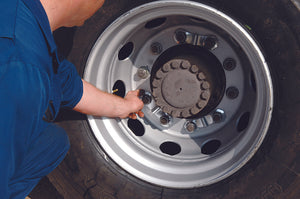
Are tyres, lighting and visibility equipment in good condition?
-
Have recurring maintenance issues from last winter been addressed?
-
Are drivers encouraged to report minor defects promptly?
-
Is workshop capacity planned for increased seasonal demand?
-
Are preventative maintenance tasks being completed before colder weather arrives?
Completing these checks in early autumn is far easier than trying to resolve multiple issues once winter is already underway.

Preparation Creates Reliability
No amount of planning can prevent every winter-related issue.
Severe weather will always introduce challenges for commercial vehicle operators.
The difference is that prepared fleets spend less time reacting.
They enter winter with confidence that vehicles have been inspected, common defects have been addressed and drivers understand their role in maintaining safety and reliability.
In fleet management, preparation rarely attracts attention because, when it's done well, problems simply don't occur.
That's exactly the point.
Prepare Before Winter Arrives
The best time to prepare for winter isn't after the first frost—it's while the weather is still on your side. Parma supports commercial fleets with practical wheel safety and vehicle protection solutions that help improve reliability, reduce avoidable damage and keep vehicles operating throughout the winter months.
