




Why the Best-Run Fleets Usually Look the Best Too
Vehicle presentation isn't just about brand image. It can be one of the clearest indicators of a fleet's maintenance culture, operational discipline and attention to detail.
For some fleet operators, vehicle presentation is viewed as a nice-to-have.
As long as the vehicle is safe, reliable and completes its work, a few scuffed trims or dirty bodywork can seem relatively unimportant.
But spend time around the UK's highest-performing commercial fleets and you'll notice something interesting.
The vehicles almost always look well cared for.
Not because appearance is their highest priority, but because presentation is often the by-product of something much more valuable: good operational discipline.
A clean, well-maintained vehicle tells a story.
It suggests regular inspections, drivers who take pride in their equipment and maintenance teams that deal with minor issues before they become major ones.
In many cases, presentation isn't about looking professional—it's evidence of a professional operation.
Customers Notice More Than You Think
Every commercial vehicle represents the business behind it.
Whether it's delivering to a supermarket, arriving on a construction site or visiting a customer depot, the condition of the vehicle contributes to the impression it leaves.
A clean, well-maintained fleet communicates reliability and attention to detail.
Conversely, vehicles with damaged mirrors, missing wheel trims, dirty bodywork or obvious cosmetic defects can unintentionally suggest a business that is reactive rather than proactive.
This isn't simply about aesthetics.
Customers naturally associate the condition of vehicles with the standards of the company operating them.
If a business visibly cares for its fleet, many assume it applies the same care to safety, service and customer experience.

Good Presentation Makes Inspections Easier
One of the less obvious benefits of maintaining vehicle presentation is that it supports better maintenance.
It's much easier to identify damage on a clean vehicle than one covered in road grime.
Cracks in mirror housings.
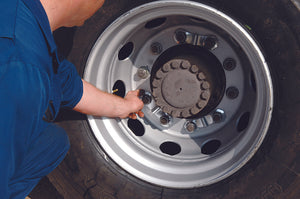
Loose wheel nut indicators.
Damaged trims.
Fluid leaks.
Lighting faults.
All become more visible when vehicles are cleaned and inspected regularly.
Rather than being separate activities, cleaning and maintenance often reinforce each other.
The process of washing a vehicle frequently becomes an informal inspection, helping identify issues that might otherwise remain unnoticed until they become more serious.
Drivers Tend to Care More About Vehicles That Look Cared For
Fleet culture doesn't develop by accident.
Drivers are more likely to take pride in vehicles that are consistently maintained, cleaned and presented to a high standard.
That pride often influences behaviour.
Walkaround inspections become more thorough.
Minor defects are reported sooner.
Vehicle interiors are kept cleaner.
Avoidable damage is less likely to be ignored.
None of this can be guaranteed, of course, but experienced transport managers frequently observe the same pattern.
When a business visibly invests in its fleet, drivers are more likely to invest their own care and attention in it too.
Good presentation creates a positive cycle rather than simply improving appearance.
Small Cosmetic Defects Rarely Stay Small
It's easy to postpone cosmetic repairs.
A scratched mirror housing still functions.
A damaged wheel trim doesn't stop a vehicle operating.
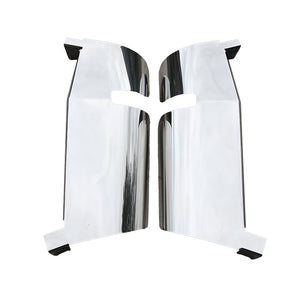
A cracked protective component may appear to be little more than an inconvenience.
But delaying these repairs can create unintended consequences.
Damaged mirrors may become more vulnerable to further impacts.
Loose trims can deteriorate further or become detached.
Minor defects often make vehicles look less cared for, making future issues less likely to be prioritised.
Addressing small problems early is usually simpler and less disruptive than allowing them to accumulate over time.
It's another example of how preventative thinking often reduces long-term operating costs.

Presentation Supports Resale Value
For operators that regularly renew vehicles, presentation has another commercial benefit.
Prospective buyers don't simply assess mileage and service history.
They also consider how well a vehicle has been looked after.
A fleet with consistent cosmetic standards often gives confidence that maintenance has been approached with similar care.
While cosmetic condition alone won't determine resale value, it contributes to the overall impression of the vehicle and can help support stronger residual values when vehicles leave the fleet.
Protecting appearance today can therefore deliver financial benefits long after the vehicle's working life with the business has ended.
Presentation Reflects Operational Standards
Perhaps the biggest misconception is that presentation and maintenance are two separate disciplines.
In reality, they are often closely connected.
Businesses with structured inspection routines, disciplined maintenance schedules and strong driver engagement naturally tend to operate cleaner, better-presented fleets.
The reverse can also be true.
When presentation standards begin to slip, it can sometimes indicate that inspections are becoming less consistent or that small issues are being overlooked.
Presentation shouldn't be viewed as vanity.
It should be viewed as another indicator of operational health.
Parma Perspective
“Well-presented fleets don't just create a stronger first impression—they often demonstrate the habits that underpin effective fleet management. Regular inspections, prompt repairs and preventative maintenance naturally lead to vehicles that look cared for. Appearance is often the visible outcome of good operational discipline, not the objective itself.”
Questions Worth Asking
If vehicle presentation isn't currently a priority, consider these questions:
-
Are cosmetic defects being repaired promptly, or simply tolerated?
-
Could regular cleaning improve inspection quality?
-
Do drivers take pride in the vehicles they operate?
-
Does your fleet presentation reflect the standards you expect customers to associate with your business?
-
Could improving presentation also reduce long-term maintenance costs?
For many operators, the answers reveal that presentation delivers benefits well beyond appearance.
Looking Good Is a Sign of Running Well
Fleet presentation will never replace good maintenance.
But the two are closely linked.
The operators with the strongest maintenance cultures often have the smartest-looking fleets because both outcomes stem from the same habits: consistency, attention to detail and a commitment to preventing small issues from becoming bigger problems.
In an industry where reputation, reliability and operational efficiency all matter, looking after how vehicles appear isn't about image alone.
It's another way of looking after how the business performs.
Protect Your Fleet's Appearance and Performance
Maintaining a professional fleet starts with reducing avoidable damage. Parma supplies wheel safety and vehicle protection solutions that help commercial vehicles stay safer, look smarter and spend more time on the road—supporting both operational performance and long-term vehicle presentation.

