



When Should You Use Wheel Nut Locks?
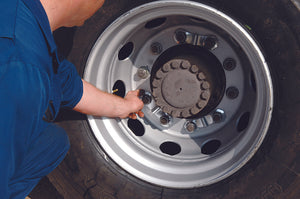
Wheel nut locks are widely used across the commercial vehicle industry, but not every fleet has the same operational requirements. Some operators fit them as standard across every vehicle, while others install them only on specific assets or in higher-risk applications. This guide explains when wheel nut locks should be used, which vehicles benefit most and how they fit into an effective fleet wheel safety strategy.
Estimated reading time: 8 minutes
Who this guide is for: Fleet Managers • Transport Managers • Workshop Managers • Fleet Engineers • Commercial Vehicle Technicians • Owner Operators
Last reviewed: July 2026
Quick Answer
Wheel nut locks should be considered whenever fleet operators want to add an extra layer of mechanical wheel retention alongside correct wheel installation, routine inspections and preventative maintenance.
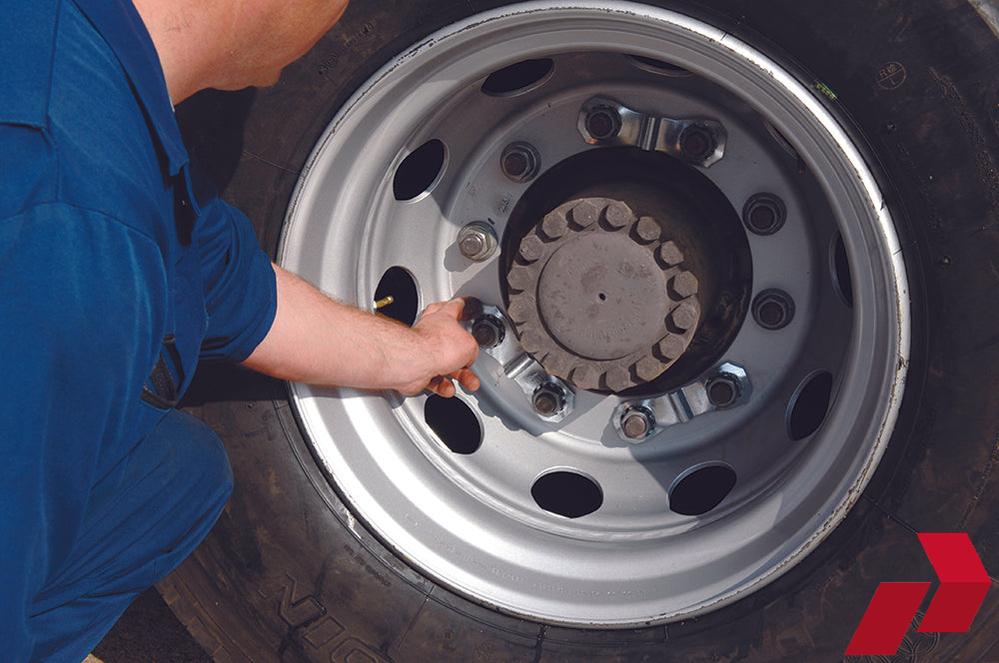
They're particularly valuable for HGVs, trucks, trailers and commercial vehicles operating in demanding environments, covering high annual mileages or carrying heavy loads.
Browse Parma's range of Wheel Nut Locks
At a Glance
In this guide
-
Which fleets benefit most from wheel nut locks
-
Typical commercial vehicle applications
-
Factors to consider before fitting
-
Why many fleets combine locks with indicators
-
Frequently asked questions
Do All Commercial Vehicles Need Wheel Nut Locks?
Not necessarily.
A correctly installed wheel assembly that has been tightened to the manufacturer's specified torque and maintained in accordance with recommended service schedules is designed to operate safely without additional retention devices.
However, many commercial vehicle operators choose to fit wheel nut locks as an extra precaution.
Rather than replacing existing maintenance procedures, they provide another layer of protection within a wider wheel safety programme.
For fleets where vehicle uptime, operational reliability and safety are critical, this additional level of protection can provide valuable reassurance.
High-Mileage Fleets
Vehicles covering significant annual mileage place continuous demands on wheel assemblies.
Examples include:
-
National haulage fleets
-
Logistics companies
-
Parcel distribution operators
-
General freight carriers
With more time spent on the road, regular inspections become increasingly important, and many operators choose to strengthen their wheel safety programme with wheel nut locks.
Long-Distance Haulage
Long motorway journeys often involve:
-
Sustained operating speeds
-
Heavy payloads
-
Continuous vehicle operation
-
Reduced opportunities for workshop inspections between journeys
Wheel nut locks provide additional mechanical retention throughout these demanding operating conditions while complementing routine driver inspections.
Commercial Trailer Fleets
Trailers frequently move between different tractor units and may be maintained across several depots.
For fleet managers, maintaining consistent wheel safety standards across trailers can be particularly important.
Wheel nut locks are commonly fitted to:
-
Curtain-sided trailers
-
Refrigerated trailers
-
Tankers
-
Skeletal trailers
-
Flatbeds
-
Low loaders
They provide an additional level of consistency regardless of which tractor unit is towing the trailer.
Heavy-Duty Operations
Some commercial vehicles routinely operate in more demanding environments.
Examples include:
-
Construction vehicles
-
Quarry transport
-
Agricultural haulage
-
Heavy plant transport
-
Waste management vehicles
Uneven surfaces, frequent manoeuvring and challenging working conditions often lead operators to adopt additional wheel safety measures.
Passenger Transport
Bus and coach operators have particularly high safety expectations due to the nature of passenger transport.
Many operators include wheel nut locks within broader preventative maintenance programmes designed to support vehicle reliability and safety.
Municipal and Utility Fleets
Local authority and utility vehicles often experience:
-
Frequent stop-start driving
-
Kerbside operation
-
Multiple drivers
-
Intensive daily use
Wheel nut locks can help support consistent wheel safety across mixed fleets and varied operating conditions.
Fleets Operating Multiple Depots
Large organisations managing vehicles across several depots often prioritise standardisation.
Using the same wheel retention system throughout the fleet helps simplify:
-
Workshop procedures
-
Technician training
-
Replacement stock
-
Maintenance documentation
-
Inspection standards
This consistency can improve efficiency while reducing the likelihood of installation errors.
Should Smaller Fleets Use Wheel Nut Locks?
Absolutely.
The benefits of wheel nut locks aren't limited to national operators.
Businesses operating:
-
Five vehicles
-
Ten vehicles
-
Twenty vehicles
can benefit just as much from improved wheel safety procedures.
Smaller fleets often have fewer maintenance resources, making preventative measures particularly valuable.
Wheel Nut Locks and Wheel Nut Indicators
Many fleet operators don't choose between wheel nut locks and wheel nut indicators.
Instead, they install both.
-
Provide additional mechanical wheel retention.
-
Provide a visual indication if wheel nut movement occurs.
Together they create a more comprehensive approach to wheel safety by combining prevention with early detection.
For a full comparison, read: Wheel Nut Indicators vs Wheel Nut Locks
Factors to Consider Before Installation
Before fitting wheel nut locks, consider:
Vehicle Type
Different wheel assemblies require different wheel nut lock designs.
Wheel Configuration
Stud spacing and wheel nut sizes vary between vehicles.
Selecting the correct product is essential.
Fleet Maintenance Procedures
Wheel nut locks should complement existing maintenance programmes rather than replace them.
Driver Inspection Procedures
If drivers already complete daily walkaround inspections, combining wheel nut locks with wheel nut indicators may strengthen the overall inspection process.
Fleet Standardisation
Using the same products across every vehicle can simplify maintenance, training and replacement stock management.
Best Practice
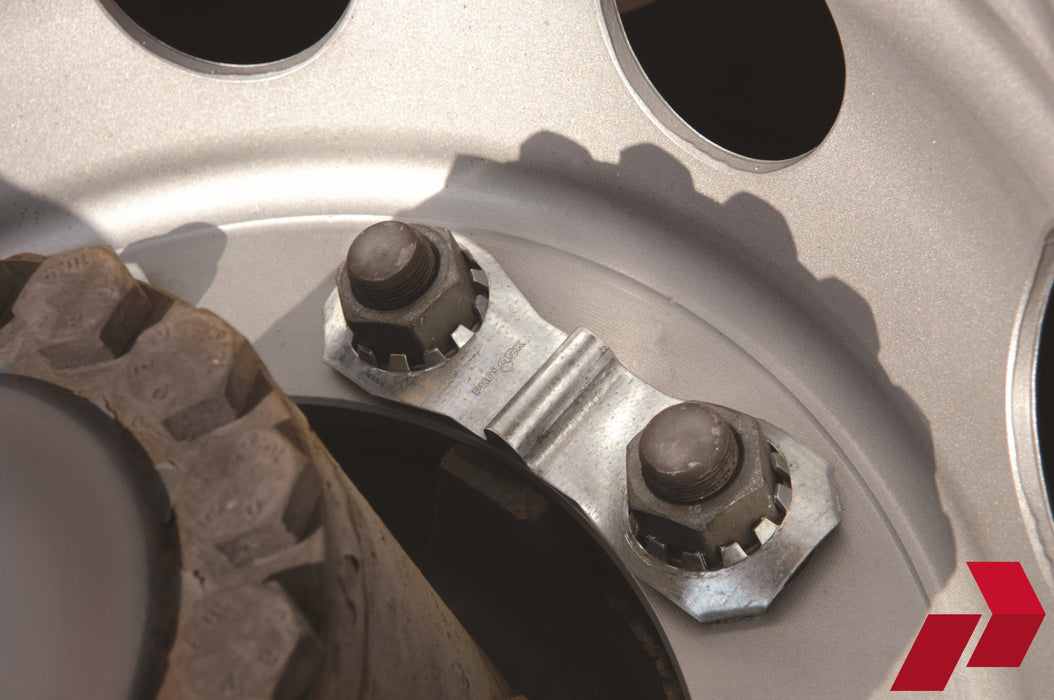
For fleets choosing wheel nut locks, best practice includes:
✔ Install only after wheel torque procedures have been completed.
✔ Use the correct product for the wheel configuration.
✔ Include wheel nut locks within routine maintenance inspections.
✔ Train workshop staff on correct installation.
✔ Combine with wheel nut indicators where appropriate.
✔ Continue following manufacturer-recommended wheel maintenance procedures.
Wheel nut locks are most effective when integrated into a structured preventative maintenance programme.
Parma Expert Insight
Wheel nut locks aren't reserved for the largest fleets. Any operator that values consistency, preventative maintenance and long-term vehicle reliability can benefit from incorporating them into their wheel safety strategy. The key is selecting the correct product and using it alongside good maintenance practices—not instead of them.
Frequently Asked Questions
Should every HGV have wheel nut locks?
Not necessarily.
Many operators choose to fit them across the fleet, but the decision should reflect vehicle use, operating conditions and internal maintenance policies.
Are wheel nut locks only for long-distance haulage?
No.
They're used across a wide variety of commercial vehicle applications, including municipal fleets, construction vehicles, buses and local distribution fleets.
Can smaller fleets benefit?
Yes.
Additional wheel retention can support wheel safety regardless of fleet size.
Should wheel nut indicators also be fitted?
Many operators install both products because they perform different functions and complement one another.
Do wheel nut locks replace maintenance?
No.
Routine inspections, wheel torque procedures and scheduled servicing remain essential.
Related Resources
You may also find these Parma resources useful:
Find the Right Wheel Retention Solution for Your Fleet
Every commercial fleet has different operational demands, but the objective remains the same: keeping vehicles safe, compliant and on the road.
Wheel nut locks provide an additional layer of mechanical wheel retention that complements routine maintenance, correct installation and daily inspections. Whether you manage a nationwide haulage fleet or a handful of commercial vehicles, selecting the right wheel safety products can help strengthen your maintenance strategy.
Explore Parma's full range of Wheel Nut Locks for HGVs, trucks, trailers and commercial vehicles
