




Do Wheel Nut Locks Prevent Wheel Nuts Coming Loose?
Wheel nut locks are designed to provide additional mechanical wheel retention, making them an important part of many commercial vehicle wheel safety programmes. But do they actually stop wheel nuts from coming loose? The answer is more nuanced than a simple yes or no. Wheel nut locks are designed to help reduce the likelihood of independent wheel nut movement, but they are not a substitute for correct wheel installation, torque procedures or routine maintenance. This guide explains exactly what wheel nut locks do, their limitations and how they fit into an effective fleet wheel safety strategy.
Estimated reading time: 8 minutes
Who this guide is for: Fleet Managers • Transport Managers • Workshop Managers • Fleet Engineers • Commercial Vehicle Technicians • Owner Operators
Last reviewed: July 2026
Quick Answer
Wheel nut locks are designed to provide additional mechanical retention that helps reduce the likelihood of adjacent wheel nuts loosening independently.
However, they should not be viewed as a guarantee that wheel nuts cannot loosen. Correct wheel installation, manufacturer-specified torque settings, regular inspections and preventative maintenance remain essential.
Browse Parma's range of Wheel Nut Locks
At a Glance
In this guide
-
What wheel nut locks actually do
-
Why wheel nuts can loosen
-
The role of wheel nut locks
-
Why maintenance still matters
-
Frequently asked questions
Why Do Wheel Nuts Become Loose?
A correctly installed wheel assembly should remain secure throughout normal vehicle operation.
However, wheel nut movement can occur if underlying issues develop, such as:
-
Incorrect tightening procedures
-
Failure to achieve the specified torque
-
Wheel or hub damage
-
Worn or damaged studs
-
Incorrect wheel installation
-
Excessive component wear
-
Poor maintenance practices
These issues cannot be solved by fitting wheel nut locks alone.
Instead, they must be identified and corrected through proper maintenance procedures.
What Wheel Nut Locks Actually Do
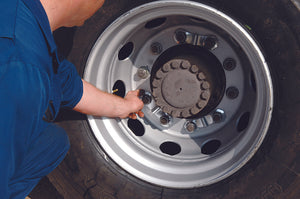
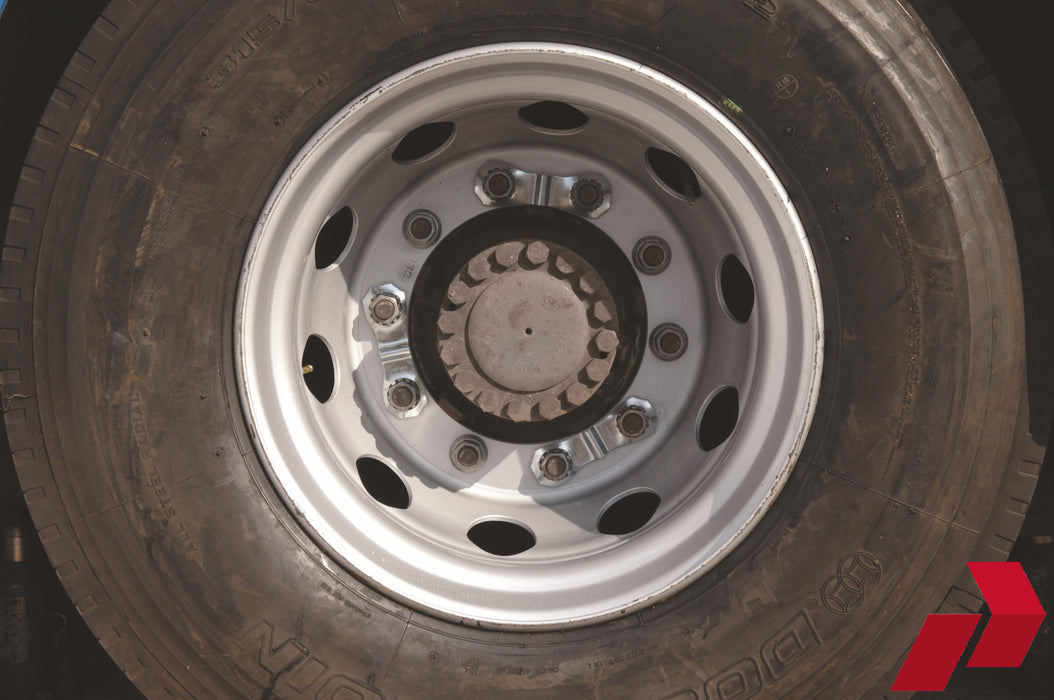
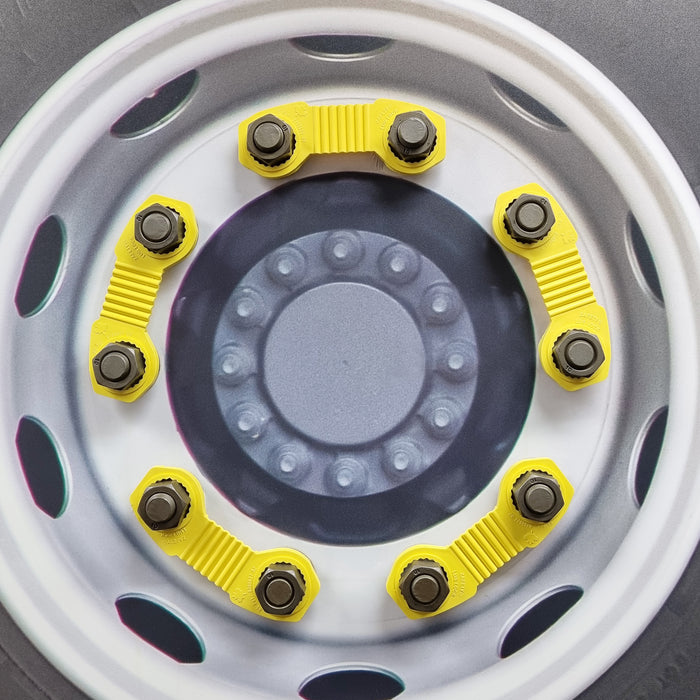
Wheel nut locks provide additional mechanical retention by linking adjacent wheel nuts together.
Rather than allowing each wheel nut to act independently, the connected design helps resist independent rotation.
Their purpose is to:
-
Support wheel security.
-
Provide an additional level of mechanical retention.
-
Complement correct installation procedures.
-
Strengthen preventative maintenance programmes.
This makes them an effective additional safeguard within a wider wheel safety strategy.
What Wheel Nut Locks Don't Do
It's equally important to understand what wheel nut locks cannot do.
They do not:
-
Replace correct torque procedures.
-
Fix incorrectly installed wheels.
-
Compensate for damaged components.
-
Eliminate routine maintenance.
-
Remove the need for driver inspections.
Wheel nut locks work alongside good maintenance—they don't replace it.
Why Additional Retention Matters
Commercial vehicles operate under demanding conditions every day.
Factors such as:
-
Heavy payloads
-
Long motorway journeys
-
Frequent braking
-
Uneven road surfaces
-
Continuous operation
all place stress on wheel assemblies.
Although properly fitted wheels are designed to remain secure, many fleet operators choose to introduce additional wheel retention as part of a proactive approach to fleet safety.
Wheel nut locks provide another layer of protection within that strategy.
Mechanical Retention vs Visual Monitoring
One of the biggest sources of confusion is the difference between wheel nut locks and wheel nut indicators.
They serve different purposes.
|
Wheel Nut Locks |
Wheel Nut Indicators |
|
Provide additional mechanical retention |
Provide visual movement indication |
|
Help resist independent wheel nut rotation |
Help identify movement during inspections |
|
Support wheel security |
Support inspection efficiency |
|
Mechanical device |
Inspection aid |
Many commercial fleets install both products because they address different aspects of wheel safety.
For more information, read: Wheel Nut Indicators vs Wheel Nut Locks
Should Wheel Nut Locks Be Used Alone?
Generally, no.
The strongest wheel safety programmes combine several preventative measures.
These typically include:
-
Manufacturer-approved wheel fitting procedures.
-
Correct torque settings.
-
Scheduled maintenance.
-
Daily driver walkaround inspections.
-
Wheel nut indicators.
-
Wheel nut locks where appropriate.
-
Routine workshop inspections.
Each element contributes to the overall safety of the wheel assembly.
Which Vehicles Benefit Most?
Wheel nut locks are commonly used across:
-
HGVs
-
Articulated lorries
-
Rigid trucks
-
Commercial trailers
-
Buses
-
Coaches
-
Municipal vehicles
-
Heavy haulage fleets
-
Construction vehicles
They're particularly valuable for operators covering high annual mileages or working in demanding operating environments.
What Happens If a Wheel Nut Still Moves?
If wheel nut movement is suspected, simply relying on the wheel nut lock is not sufficient.
The wheel assembly should be inspected to identify the underlying cause.
Potential investigations may include checking:
-
Torque settings.
-
Wheel studs.
-
Wheel nuts.
-
Hub condition.
-
Wheel seating surfaces.
-
Signs of component wear.
Corrective action should always follow the manufacturer's maintenance recommendations.
Best Practice for Fleet Operators
To maximise the benefits of wheel nut locks:
✔ Select the correct product for the wheel assembly.
✔ Install only after wheel torque procedures have been completed.
✔ Include wheel nut locks within routine inspections.
✔ Train workshop staff on correct installation.
✔ Continue carrying out driver walkaround inspections.
✔ Consider fitting wheel nut indicators alongside wheel nut locks.
✔ Follow manufacturer maintenance schedules at all times.
Wheel nut locks perform best as part of a structured preventative maintenance programme rather than as a standalone solution.
Parma Expert Insight
Wheel nut locks shouldn't be viewed as a cure for poor maintenance—they're a valuable enhancement to good maintenance. Fleets that combine correct installation, routine inspections, wheel nut indicators and wheel nut locks create multiple layers of protection that support long-term wheel safety.
Common Misunderstandings
"Wheel Nut Locks Guarantee Wheel Nuts Can't Loosen"
No mechanical device can replace correct wheel installation and maintenance.
Wheel nut locks provide additional retention but should always be used alongside established maintenance procedures.
"Once They're Fitted, They Don't Need Checking"
Like any wheel safety product, wheel nut locks should be included within routine inspections.
"Wheel Nut Locks Replace Wheel Nut Indicators"
No.
Wheel nut indicators provide visual monitoring, while wheel nut locks provide additional mechanical retention.
Many fleets use both.
"They're Only Needed on Large Fleets"
Wheel nut locks can provide benefits for operators of any size, from owner-drivers through to national fleet operators.
Frequently Asked Questions
Do wheel nut locks stop wheel nuts coming loose?
They're designed to provide additional mechanical retention that helps reduce the likelihood of independent wheel nut movement.
However, they should always be used alongside correct wheel installation and maintenance.
Can wheel nut locks replace torque procedures?
No.
Wheel nuts must always be tightened to the manufacturer's specified torque before wheel nut locks are installed.
Should wheel nut indicators also be fitted?
Many fleets install both because they provide complementary safety benefits.
Do wheel nut locks need maintenance?
Very little.
They should simply be included within routine vehicle inspections to confirm they remain correctly fitted and undamaged.
Are wheel nut locks suitable for trailers?
Yes.
They're widely used across commercial trailers as well as HGVs, rigid trucks and buses.
Related Resources
You may also find these Parma resources useful:
Add an Extra Layer of Wheel Security to Your Fleet
Wheel nut locks are designed to provide additional mechanical wheel retention that complements correct wheel installation, routine inspections and preventative maintenance.
When used as part of a comprehensive wheel safety programme, they help commercial vehicle operators strengthen fleet reliability and support safer day-to-day operations.
Explore Parma's full range of Wheel Nut Locks for HGVs, trucks, trailers and commercial vehicles
