




How Do Wheel Nut Locks Work?
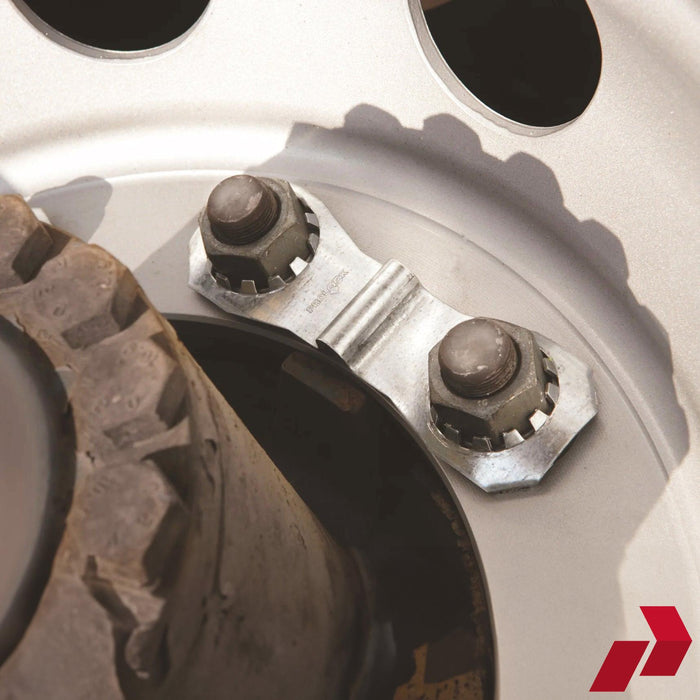
Wheel nut locks are designed to provide an additional layer of wheel security by mechanically linking adjacent wheel nuts together. Unlike wheel nut indicators, which visually highlight movement after it has occurred, wheel nut locks are intended to help resist independent wheel nut rotation. This guide explains how wheel nut locks work, why they're used across commercial vehicle fleets and how they fit into a comprehensive wheel safety strategy.
Estimated reading time: 8 minutes
Who this guide is for: Fleet Managers • Transport Managers • Workshop Managers • Commercial Vehicle Technicians • Fleet Engineers • Owner Operators
Last reviewed: July 2026
Quick Answer
Wheel nut locks work by mechanically connecting two adjacent wheel nuts. This connection helps resist independent rotation of individual wheel nuts, providing additional wheel retention alongside correct torque procedures and routine maintenance.
They are commonly used on HGVs, trucks, trailers, buses and other commercial vehicles where operators want an extra level of wheel security.
Browse Parma's range of Wheel Nut Locks
At a Glance
In this guide
-
How wheel nut locks function
-
Why fleets install them
-
How they differ from wheel nut indicators
-
What they do—and don't do
-
Frequently asked questions
Why Wheel Security Matters
Commercial vehicle wheels are subjected to significant forces every day.
These include:
-
Heavy payloads
-
Repeated braking
-
High motorway speeds
-
Uneven road surfaces
-
Frequent cornering
-
Long operating hours
When wheels are installed correctly using the manufacturer's specified torque settings, they are designed to remain secure.
However, many operators choose to add an additional layer of protection as part of a wider preventative maintenance strategy.
Wheel nut locks are one solution designed to support that objective.
The Principle Behind Wheel Nut Locks
Unlike a standard wheel nut, a wheel nut lock isn't intended to tighten the wheel.
Instead, it acts as a mechanical retaining device.
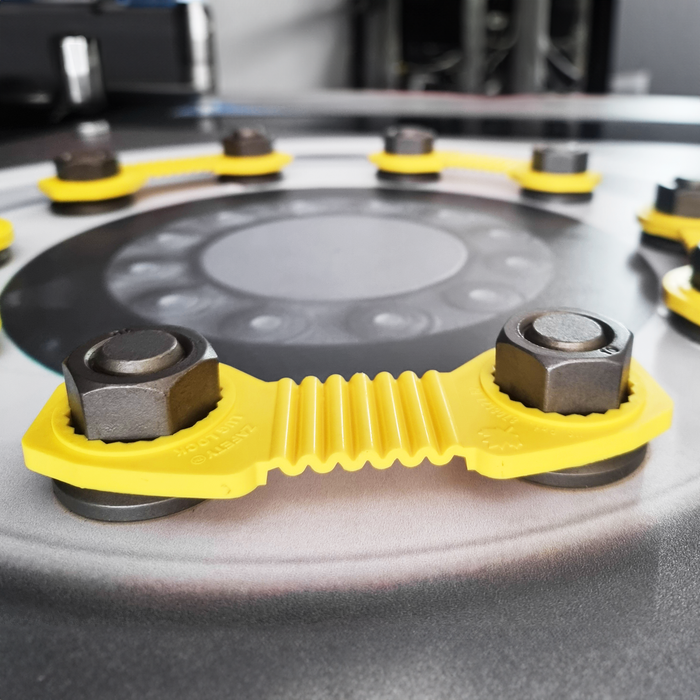
By linking adjacent wheel nuts together, the system helps reduce the likelihood of one wheel nut rotating independently of its neighbour.
The principle is straightforward:
-
Two neighbouring wheel nuts are connected.
-
Movement of one affects the other.
-
Independent rotation becomes more difficult.
-
Additional wheel retention is provided.
This creates another level of protection within the wheel assembly.
How Wheel Nut Locks Are Installed
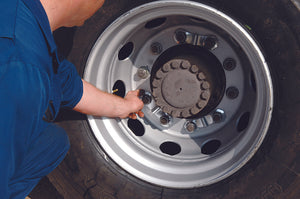
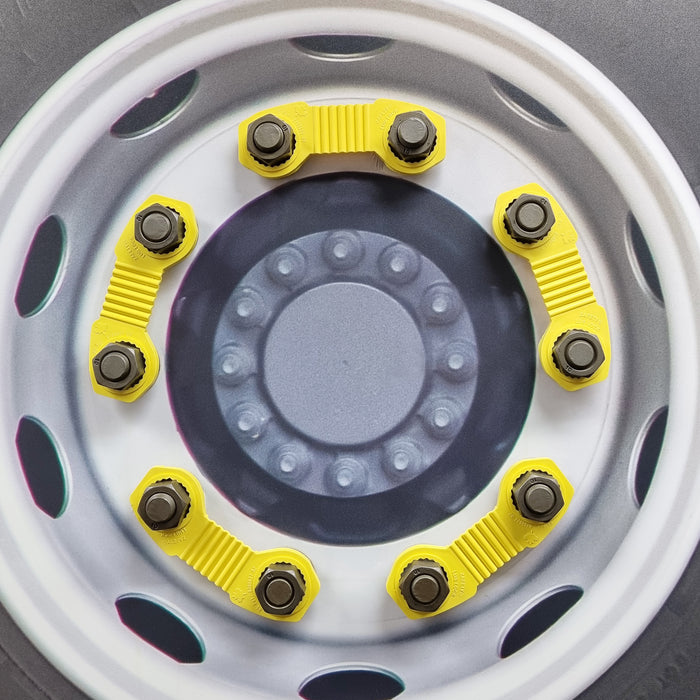
Wheel nut locks are fitted after the wheel has been correctly installed and all wheel nuts have been tightened to the manufacturer's specified torque.
Installation typically involves:
-
Fitting the wheel correctly.
-
Tightening all wheel nuts to specification.
-
Positioning the wheel nut lock across adjacent wheel nuts.
-
Securing the lock in accordance with the manufacturer's instructions.
Because different wheel designs use different stud spacings and nut sizes, selecting the correct wheel nut lock is essential.
What Wheel Nut Locks Don't Do
Wheel nut locks provide valuable additional retention, but it's important to understand their role.
They do not:
-
Replace correct torque procedures.
-
Eliminate routine inspections.
-
Remove the need for preventative maintenance.
-
Correct incorrectly installed wheels.
-
Replace damaged wheel components.
They should always be viewed as one part of a wider wheel safety programme.
Wheel Nut Locks vs Wheel Nut Indicators
Although they're often fitted to the same vehicles, wheel nut locks and wheel nut indicators serve different purposes.
|
Wheel Nut Locks |
Wheel Nut Indicators |
|
Provide mechanical retention |
Monitor wheel nut movement |
|
Connect adjacent wheel nuts |
Fit individually to each wheel nut |
|
Help resist independent rotation |
Provide visual inspection reference |
|
Support wheel security |
Support inspection efficiency |
Many fleets install both products together because they complement one another.
For a full comparison, read: Wheel Nut Indicators vs Wheel Nut Locks
Why Fleets Use Wheel Nut Locks
Commercial operators often choose wheel nut locks because they:
-
Support preventative maintenance.
-
Add an additional level of wheel retention.
-
Complement existing inspection routines.
-
Help strengthen fleet safety procedures.
-
Require minimal ongoing maintenance.
For operators managing large fleets, even relatively simple safety improvements can contribute to greater operational confidence.
Which Vehicles Benefit Most?
Wheel nut locks are widely used across commercial transport.
Common applications include:
HGV Fleets
Long-distance haulage vehicles covering high annual mileage.
Commercial Trailers
Curtain-sided trailers, refrigerated trailers, tankers, skeletal trailers and flatbeds.
Municipal Vehicles
Refuse collection vehicles and local authority fleets operating in demanding stop-start conditions.
Construction Vehicles
Commercial vehicles operating on uneven or challenging terrain.
Passenger Transport
Buses and coaches operating on scheduled routes.
Specialist Fleets
Heavy haulage, airport support vehicles, utilities and recovery operators.
Do Wheel Nut Locks Replace Routine Inspections?
No.
Even with wheel nut locks installed, drivers and technicians should continue carrying out:
-
Daily walkaround inspections.
-
Scheduled maintenance.
-
Wheel torque procedures.
-
Wheel condition assessments.
-
Driver defect reporting.
Wheel nut locks strengthen wheel safety—they don't remove the need for routine maintenance.
Should Wheel Nut Indicators Be Used Too?
For many operators, yes.
Wheel nut locks and wheel nut indicators perform complementary roles.
Wheel nut locks:
-
Help provide additional mechanical retention.
Wheel nut indicators:
-
Make potential movement easier to identify during inspections.
Using both together creates a stronger overall wheel safety strategy than relying on either product alone.
Choosing the Correct Wheel Nut Lock
To ensure correct fitment, consider:
-
Wheel nut size.
-
Stud spacing.
-
Wheel configuration.
-
Vehicle type.
-
Operating environment.
-
Fleet standardisation.
Selecting the correct product helps ensure reliable installation and long-term performance.
If you're unsure, Parma can help identify the appropriate solution for your application.
Parma Expert Insight
Wheel nut locks are often viewed as an insurance policy rather than a replacement for maintenance. Their greatest value comes when they're combined with correct wheel installation, regular inspections and wheel nut indicators, creating multiple layers of protection within a fleet's wheel safety programme.
Common Misunderstandings
"Wheel Nut Locks Tighten Loose Wheel Nuts"
They don't.
Wheel nuts must always be correctly torqued before wheel nut locks are installed.
"Wheel Nut Locks Replace Wheel Nut Indicators"
No.
Locks provide mechanical retention, while indicators provide visual monitoring.
They perform different functions.
"Once Installed, They Never Need Checking"
Like any wheel safety product, wheel nut locks should be inspected during routine maintenance to ensure they remain correctly fitted and undamaged.
"They're Only for Large Fleets"
Although widely used by national fleet operators, wheel nut locks can provide benefits for businesses operating just a few commercial vehicles.
Frequently Asked Questions
How do wheel nut locks work?
They mechanically connect adjacent wheel nuts to help resist independent wheel nut rotation.
Do wheel nut locks stop wheel nuts coming loose?
They're designed to provide additional mechanical retention, helping reduce the likelihood of individual wheel nuts loosening independently.
They should always be used alongside correct wheel installation and maintenance.
Are wheel nut locks suitable for trailers?
Yes.
They're commonly fitted to commercial trailers as well as tractor units, rigid trucks and buses.
Can wheel nut locks be used with wheel nut indicators?
Yes.
Many fleets install both because they provide different but complementary safety benefits.
Do wheel nut locks require maintenance?
Very little.
They should simply be inspected during routine servicing to confirm they remain correctly fitted and undamaged.
Related Resources
You may also find these Parma resources useful:
Strengthen Your Fleet's Wheel Safety Strategy
Wheel nut locks provide an additional level of mechanical wheel retention that complements correct wheel installation, routine maintenance and regular inspections.
When combined with wheel nut indicators and robust maintenance procedures, they help commercial vehicle operators build a more comprehensive approach to wheel safety across HGVs, trucks, trailers and buses.
Explore Parma's full range of Wheel Nut Locks for commercial vehicles
