



Are Wheel Nut Locks Worth It for Commercial Fleets?
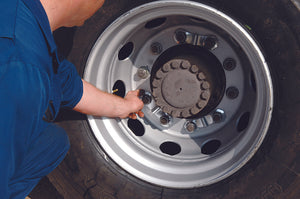
Every fleet operator must balance safety, operational efficiency and maintenance costs. While wheel nut locks are a relatively small investment compared to the overall running costs of commercial vehicles, many operators ask whether they're actually worth fitting. The answer depends on how you approach wheel safety. This guide explores the benefits of wheel nut locks, the types of fleets that gain the most value from them and how they contribute to a comprehensive preventative maintenance strategy.
Estimated reading time: 8 minutes
Who this guide is for: Fleet Managers • Transport Managers • Workshop Managers • Fleet Engineers • Commercial Vehicle Technicians • Owner Operators
Last reviewed: July 2026
Quick Answer
For many commercial fleets, wheel nut locks are a worthwhile addition to an overall wheel safety programme. They provide an additional layer of mechanical wheel retention that complements correct wheel installation, routine inspections and preventative maintenance.
They're particularly valuable for fleets operating HGVs, trucks, trailers, buses and other commercial vehicles covering high annual mileages or working in demanding environments.
Browse Parma's range of Wheel Nut Locks
At a Glance
In this guide
-
The benefits of wheel nut locks
-
Which fleets see the greatest value
-
Cost versus long-term benefits
-
When wheel nut locks may be appropriate
-
Frequently asked questions
What Do Wheel Nut Locks Actually Add?
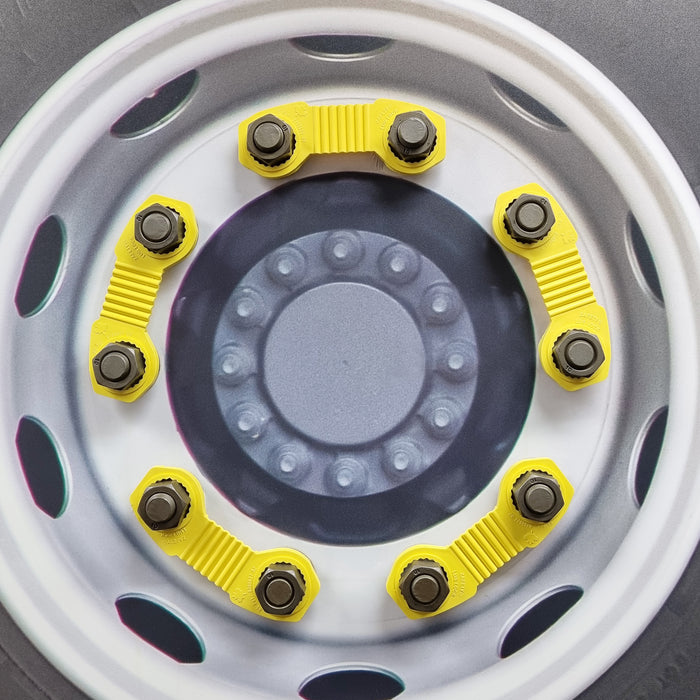
Wheel nut locks don't replace the fundamentals of wheel safety.
Instead, they add another layer of protection by providing additional mechanical wheel retention.
When combined with:
-
Correct wheel installation
-
Manufacturer-specified torque procedures
-
Routine maintenance
-
Driver walkaround inspections
-
Workshop inspections
they become part of a structured, preventative approach to fleet safety.
Supporting a Proactive Maintenance Strategy
Successful fleets don't wait for problems to occur.
They build maintenance programmes designed to reduce risk before issues develop.
Wheel nut locks fit naturally into this philosophy by:
-
Supporting preventative maintenance.
-
Complementing existing inspection procedures.
-
Strengthening wheel retention.
-
Contributing to consistent maintenance standards.
Rather than reacting to wheel-related issues, operators can take a more proactive approach.
Improving Fleet Consistency
One of the biggest advantages for larger operators is consistency.
Standardising wheel retention devices across a fleet can simplify:
-
Workshop procedures
-
Technician training
-
Product stocking
-
Maintenance documentation
-
Vehicle inspections
This can make day-to-day fleet management more efficient, particularly across multiple depots.
Supporting Driver Confidence
Drivers complete daily walkaround inspections and rely on vehicles being maintained to a consistently high standard.
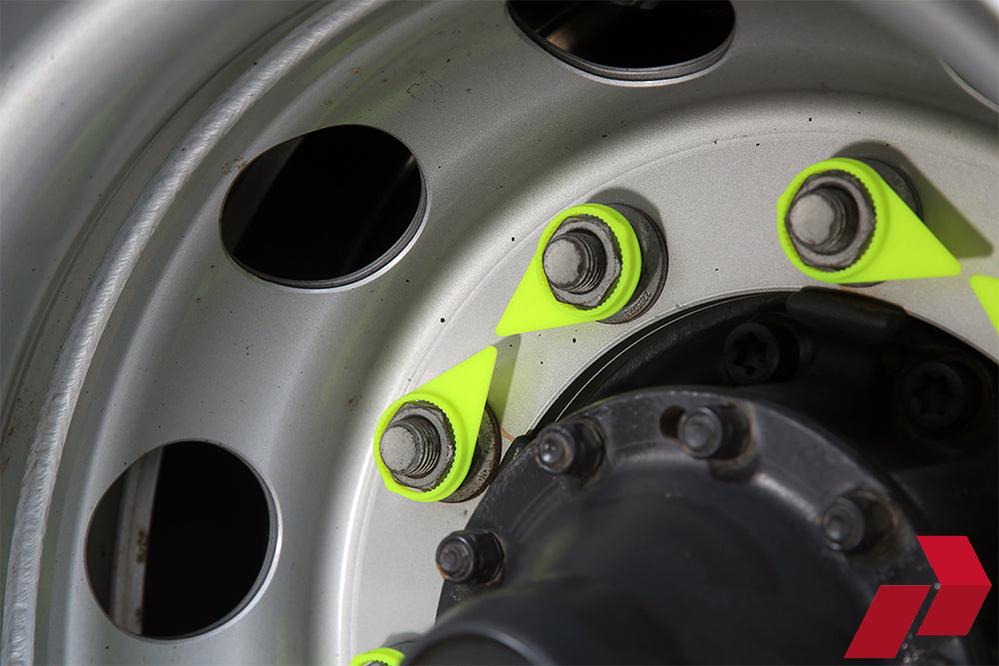
Knowing that wheel retention devices form part of the fleet's wider maintenance programme can reinforce confidence in the vehicle, particularly when combined with wheel nut indicators that make visual inspections quicker and easier.
Helping Protect Vehicle Uptime
Vehicle downtime can be costly.
Unexpected maintenance, missed deliveries and disrupted schedules all affect operational efficiency.
Although wheel nut locks are only one component within a wheel safety programme, they contribute to a preventative approach that aims to reduce the likelihood of avoidable issues affecting vehicle availability.
Which Fleets Benefit Most?
Wheel nut locks are commonly used by:
-
National haulage operators
-
Regional distribution fleets
-
Trailer operators
-
Municipal fleets
-
Bus and coach companies
-
Construction fleets
-
Utilities
-
Heavy haulage businesses
However, their value isn't limited to large organisations.
Small operators and owner-drivers can also benefit from adopting the same preventative maintenance principles.
Cost Versus Value
Wheel nut locks represent a relatively modest investment compared with the overall cost of operating commercial vehicles.
When assessing value, many operators consider factors such as:
-
Fleet safety objectives
-
Preventative maintenance policies
-
Vehicle utilisation
-
Operational reliability
-
Maintenance consistency
Rather than looking only at the purchase price, it's often more useful to consider how wheel nut locks contribute to the overall resilience of a fleet maintenance programme.
Are Wheel Nut Locks Enough on Their Own?
No.
Wheel nut locks should always be viewed as one element of a complete wheel safety strategy.
Best practice also includes:
-
Correct wheel installation.
-
Manufacturer-approved torque procedures.
-
Scheduled servicing.
-
Driver walkaround inspections.
-
Workshop inspections.
-
Defect reporting procedures.
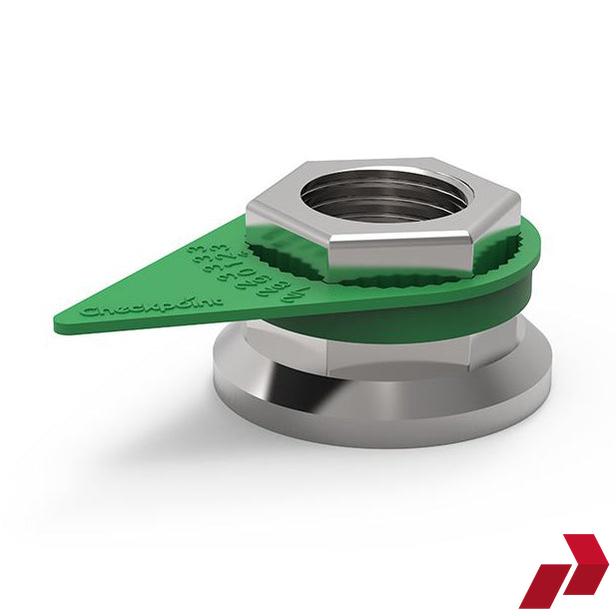
Many fleets also fit wheel nut indicators alongside wheel nut locks.
Wheel nut indicators provide a visual reference if wheel nut movement occurs, complementing the mechanical retention provided by wheel nut locks.
For more information, read: Wheel Nut Indicators vs Wheel Nut Locks
When Might They Be Less Appropriate?
Every fleet is different.
Some operators may determine that their existing maintenance procedures fully meet their operational requirements.
Others may decide that additional wheel retention provides extra reassurance, particularly where vehicles:
-
Operate continuously.
-
Cover high annual mileage.
-
Work in demanding environments.
-
Carry heavy loads.
-
Spend long periods away from workshop facilities.
The decision should always reflect the fleet's operating profile and maintenance policies.
Best Practice
If you decide to fit wheel nut locks:
✔ Select products designed for the wheel assembly.
✔ Install them after wheel torque procedures have been completed.
✔ Include them in routine inspections.
✔ Replace damaged components promptly.
✔ Train workshop technicians on correct installation.
✔ Consider using wheel nut indicators alongside them.
✔ Continue following manufacturer maintenance recommendations.
This layered approach provides the greatest long-term benefit.
Parma Expert Insight
The value of wheel nut locks isn't measured solely by the product itself—it's measured by how effectively they're integrated into a wider maintenance strategy. Fleets that combine mechanical wheel retention with routine inspections, correct installation procedures and visual monitoring create multiple layers of protection that support long-term safety and operational reliability.
Frequently Asked Questions
Are wheel nut locks worth the investment?
For many commercial fleets, yes.
They provide additional mechanical wheel retention and support preventative maintenance when used alongside established wheel safety procedures.
Do they replace routine maintenance?
No.
Wheel nut locks complement maintenance programmes—they don't replace them.
Should smaller fleets use them?
Many smaller operators choose wheel nut locks because the principles of preventative maintenance apply regardless of fleet size.
Should wheel nut indicators also be fitted?
Many fleets install both because they provide complementary benefits.
Wheel nut locks provide mechanical retention, while wheel nut indicators make visual inspections more effective.
Are wheel nut locks suitable for all commercial vehicles?
Compatible products are available for many HGVs, trucks, trailers, buses and other commercial vehicles.
Selecting the correct product for the wheel assembly is essential.
Related Resources
You may also find these Parma resources useful:
Invest in a Stronger Wheel Safety Strategy
Wheel nut locks are a simple, practical way to strengthen a commercial fleet's approach to wheel safety. When combined with correct installation, routine inspections and preventative maintenance, they provide an additional layer of mechanical wheel retention that supports safer, more reliable fleet operations.
Explore Parma's complete range of Wheel Nut Locks for HGVs, trucks, trailers and commercial vehicles
