




Wheel Nut Locks: The Complete Fleet Buyer's Guide
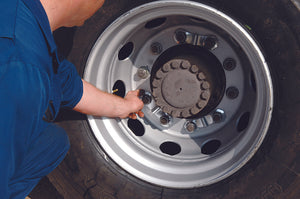
Wheel nut locks are an important part of many commercial vehicle wheel safety programmes, providing additional mechanical retention to help reduce the risk of wheel nuts loosening independently. While wheel nut indicators help identify movement during inspections, wheel nut locks take a different approach by physically linking adjacent wheel nuts together.
This comprehensive guide explains how wheel nut locks work, when they're used, their benefits and how to choose the right solution for your fleet.
Estimated reading time: 10 minutes
Who this guide is for: Fleet Managers • Transport Managers • Workshop Managers • Commercial Vehicle Technicians • Fleet Engineers • Owner Operators
Last reviewed: July 2026
Quick Answer
Wheel nut locks are mechanical wheel safety devices that fit across adjacent wheel nuts to provide additional retention and help reduce the likelihood of individual wheel nuts loosening independently.
They do not replace correct wheel installation, torque procedures or routine inspections, but they can form an important part of a comprehensive preventative maintenance strategy for HGVs, trucks, trailers, buses and commercial vehicles.
Browse Parma's range of Wheel Nut Locks
At a Glance
In this guide
-
What wheel nut locks are
-
How they work
-
Why fleets use them
-
Which vehicles they're suitable for
-
How to choose the right wheel nut locks
-
Frequently asked questions
What Are Wheel Nut Locks?
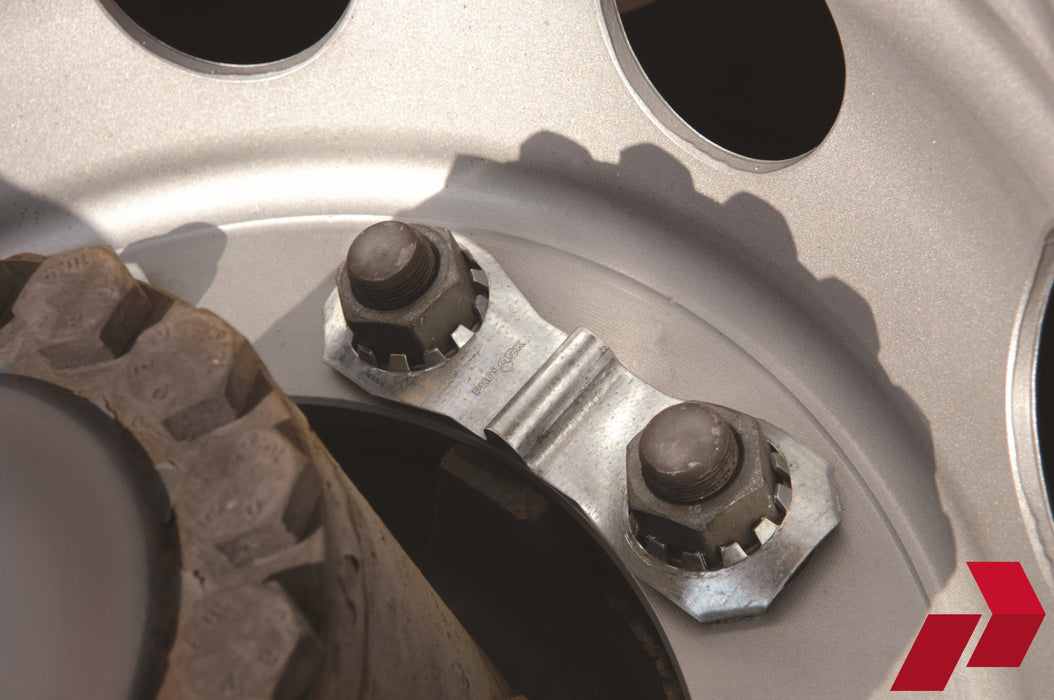
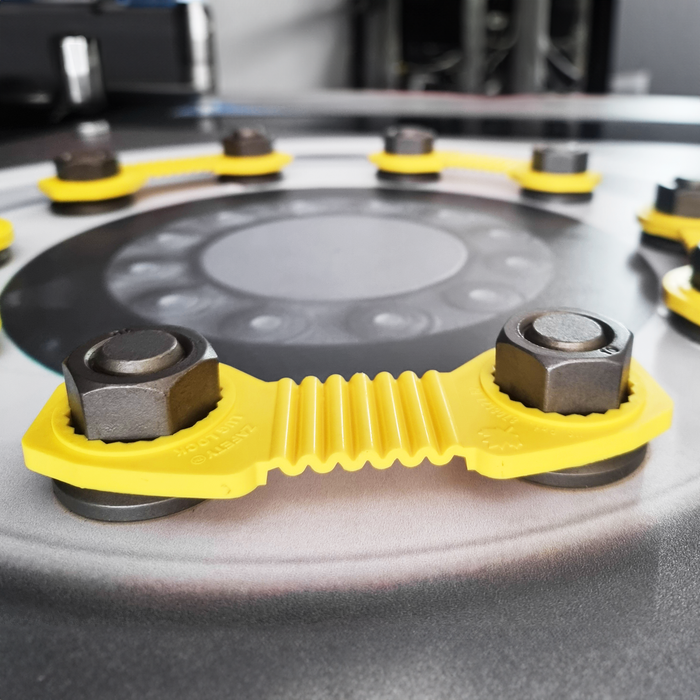
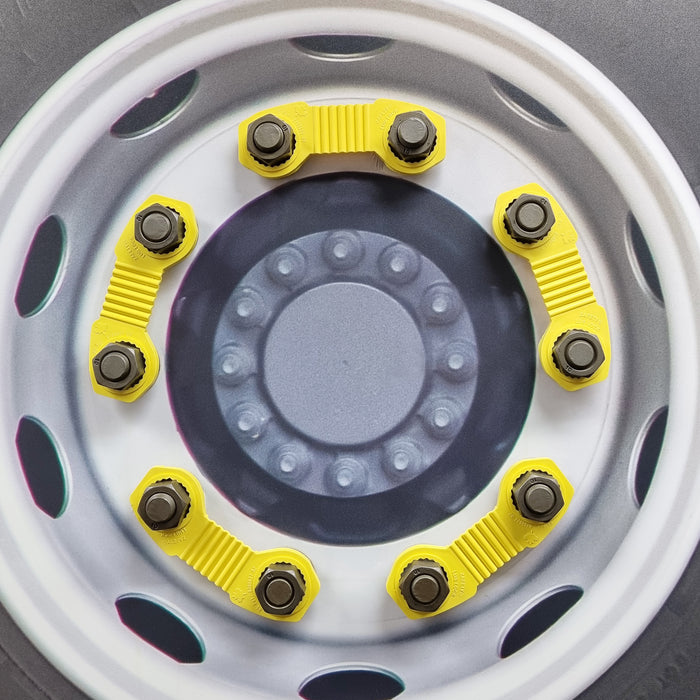
Wheel nut locks are purpose-designed retention devices fitted across two adjacent wheel nuts.
Unlike wheel nut indicators, which simply provide a visual indication if movement occurs, wheel nut locks create a mechanical link between neighbouring wheel nuts.
This additional retention helps resist independent wheel nut rotation and supports overall wheel security.
They are commonly specified on commercial vehicles where operators want an additional level of wheel safety alongside routine maintenance and inspections.
Why Do Commercial Fleets Use Wheel Nut Locks?
Wheel security is critical across commercial vehicle operations.
Heavy loads, high annual mileage and demanding operating environments all place considerable stresses on wheel assemblies.
While correctly installed wheel nuts should remain secure, fleet operators often adopt additional preventative measures to support their maintenance programmes.
Wheel nut locks help by:
-
Providing additional mechanical retention.
-
Supporting preventative maintenance strategies.
-
Complementing routine inspections.
-
Reducing the likelihood of individual wheel nuts rotating independently.
-
Providing additional confidence for high-mileage operations.
Importantly, wheel nut locks are designed to complement—not replace—good maintenance practices.
How Do Wheel Nut Locks Work?
Wheel nut locks fit over adjacent wheel nuts using specially designed retaining arms or connecting bridges.
Because the wheel nuts are linked together, independent rotation becomes more difficult than if each nut were isolated.
The principle is straightforward:
-
Adjacent wheel nuts support one another.
-
Mechanical linkage helps resist independent movement.
-
Additional retention supports overall wheel security.
Wheel nut locks are designed to work alongside correctly torqued wheel assemblies—not instead of them.
Wheel Nut Locks vs Wheel Nut Indicators
One of the most common misunderstandings is assuming these products perform the same role.
They don't.
|
Wheel Nut Indicators |
Wheel Nut Locks |
|
Monitor movement |
Provide mechanical retention |
|
Speed up inspections |
Support wheel security |
|
Visual inspection aid |
Mechanical safety device |
|
Highlight potential movement |
Help resist independent rotation |
|
No locking function |
Additional retention function |
Many fleets install both products together because they address different aspects of wheel safety.
For a full comparison, read: Wheel Nut Indicators vs Wheel Nut Locks
Which Vehicles Use Wheel Nut Locks?
Wheel nut locks are widely used throughout the commercial vehicle industry.
Typical applications include:
Heavy Goods Vehicles (HGVs)
Long-distance haulage fleets often specify wheel nut locks to strengthen wheel safety across vehicles covering substantial annual mileage.
Articulated Trucks
Both tractor units and trailers can benefit from additional wheel retention where appropriate.
Trailers
Commercial trailers frequently operate across multiple tractor units and experience varying loading conditions.
Wheel nut locks help support consistent wheel safety regardless of vehicle assignment.
Buses and Coaches
Passenger transport operators often include wheel nut locks within wider preventative maintenance programmes.
Specialist Vehicles
Wheel nut locks are also commonly used on:
-
Heavy haulage vehicles
-
Municipal fleets
-
Utility vehicles
-
Construction vehicles
-
Airport support equipment
-
Recovery vehicles
Benefits of Wheel Nut Locks
Fleet operators choose wheel nut locks for several reasons.
Additional Mechanical Retention
Wheel nut locks provide physical retention between adjacent wheel nuts, complementing correct torque procedures.
Enhanced Wheel Safety
Used alongside routine inspections, wheel nut locks contribute to a more comprehensive wheel safety programme.
Low Maintenance
Once installed correctly, wheel nut locks require very little routine maintenance beyond normal inspection procedures.
Long Service Life
Manufactured from durable engineering materials, quality wheel nut locks are designed to withstand demanding commercial vehicle operating conditions.
Fleet Standardisation
Using the same wheel retention solution across an entire fleet simplifies:
-
Driver awareness.
-
Workshop procedures.
-
Maintenance planning.
-
Replacement stock management.
Choosing the Right Wheel Nut Locks
Selecting the correct product depends on several factors.
These include:
-
Wheel nut size.
-
Wheel configuration.
-
Stud spacing.
-
Vehicle type.
-
Operating environment.
-
Fleet maintenance policy.
Choosing products specifically designed for the wheel assembly ensures correct fitment and reliable performance.
If you're unsure which product is suitable, Parma can help identify the correct solution for your fleet.
Installation Best Practice
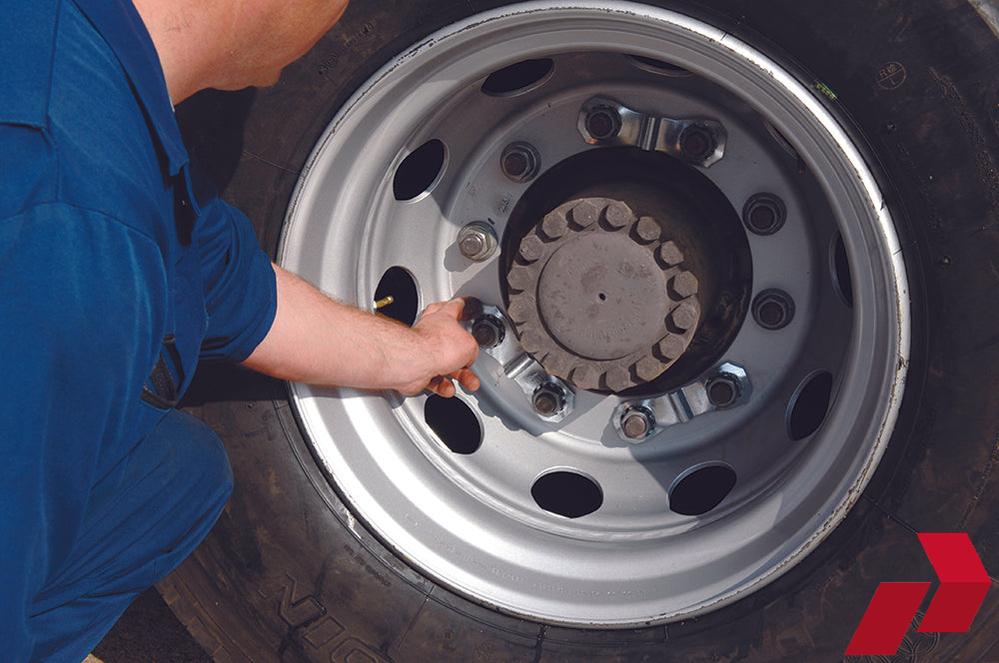
Wheel nut locks should always be installed:
-
After wheel nuts have been tightened to the manufacturer's specified torque.
-
On clean, correctly installed wheel assemblies.
-
Using the correct product for the wheel configuration.
-
As part of documented maintenance procedures.
Installation should never be viewed as a substitute for proper wheel fitting practices.
Inspection and Maintenance
Although wheel nut locks require little ongoing maintenance, they should still form part of routine inspections.
Check for:
-
Correct positioning.
-
Secure fit.
-
Signs of damage.
-
Corrosion where applicable.
-
Missing components.
Routine inspections help ensure the wheel retention system continues to perform as intended.
Should You Use Wheel Nut Locks and Indicators Together?
For many fleets, yes.
Wheel nut indicators and wheel nut locks complement one another.
Together they provide:
-
Additional mechanical retention.
-
Faster visual inspections.
-
Earlier identification of potential movement.
-
Improved fleet-wide wheel safety.
Many commercial vehicle operators regard this combined approach as best practice, particularly for high-mileage or safety-critical operations.
Parma Expert Insight
The strongest wheel safety strategies don't rely on a single product. Wheel nut locks provide additional mechanical retention, while wheel nut indicators make inspections faster and easier. Together with correct installation and routine maintenance, they help fleets build a more robust approach to wheel safety.
Frequently Asked Questions
Do wheel nut locks stop wheel nuts coming loose?
Wheel nut locks are designed to provide additional mechanical retention between adjacent wheel nuts, helping reduce the likelihood of independent wheel nut movement.
They should always be used alongside correct wheel installation and maintenance procedures.
Do wheel nut locks replace wheel nut indicators?
No.
The two products perform different functions and are often installed together.
Are wheel nut locks suitable for trailers?
Yes.
They're widely used across trailers as well as tractor units, rigid trucks and other commercial vehicles.
Do wheel nut locks require maintenance?
Very little.
They should simply be inspected during normal vehicle maintenance to ensure they remain correctly fitted and undamaged.
Can every commercial vehicle use wheel nut locks?
Most commercial vehicle wheel assemblies can accommodate wheel nut locks, provided the correct product is selected for the application.
Related Resources
You may also find these Parma resources useful:
Protect Your Fleet with the Right Wheel Retention Solution
Wheel nut locks provide an additional layer of protection for commercial vehicle wheel assemblies by supporting mechanical wheel nut retention alongside correct installation and routine maintenance. Whether you operate HGVs, trailers, buses or mixed commercial fleets, selecting the right wheel retention system can strengthen your overall wheel safety strategy and provide greater operational confidence.
Explore Parma's full range of Wheel Nut Locks for HGVs, trucks, trailers and commercial vehicles.
