



7 Habits of High-Performing Commercial Fleets
The UK's most successful fleet operators don't just spend less on maintenance—they build systems, cultures and processes that keep vehicles on the road and costs under control.
There is no shortage of pressure on today's fleet operators.
Operating costs continue to rise, vehicles are becoming more technologically complex, customers expect higher service levels and every hour of vehicle downtime has a direct impact on profitability.
Yet despite facing many of the same challenges, some fleets consistently outperform others.
They experience fewer breakdowns. Their vehicles spend more time on the road. Maintenance costs remain predictable. Drivers take greater pride in the equipment they're responsible for. Customers receive a more reliable service.
It's tempting to assume these businesses simply have larger budgets or newer vehicles.
In reality, the difference is usually much simpler.
High-performing fleets develop better habits.
Rather than reacting to problems as they arise, they build systems that reduce the likelihood of those problems occurring in the first place.
Here are seven habits that consistently separate the best-performing commercial fleets from the rest.
1. They Treat Preventative Maintenance as an Investment, Not a Cost
Every operator understands the importance of servicing.
The best fleets go a step further by viewing preventative maintenance as a strategic investment in vehicle availability.
Routine inspections, planned servicing and proactive replacement of worn components help prevent unexpected failures that are almost always more expensive than scheduled maintenance.
The objective isn't simply to reduce repair bills.
It's to maximise uptime.
Every vehicle sitting in a workshop is a vehicle that isn't generating revenue, which is why leading operators place so much emphasis on preventing problems before they disrupt operations.
2. They Use Data to Identify Trends
Modern fleet management generates vast amounts of information.
Maintenance records, inspection reports and repair histories all contain valuable insights—but only if they're analysed.
The strongest operators don't just record defects; they look for recurring patterns.
Are the same repairs appearing across a particular vehicle model?
Does one depot report significantly more damage than another?
Are certain routes creating avoidable wear on mirrors or wheels?
Answering these questions allows operators to solve underlying issues instead of repeatedly paying for the same repairs.
Good data doesn't just explain what happened yesterday. It helps improve tomorrow.
3. Drivers Are Part of the Maintenance Strategy
The relationship between drivers and maintenance teams is often underestimated.
Drivers spend more time with a vehicle than anyone else. They're usually the first to notice changes in handling, unusual noises or minor damage that could develop into something more serious.
The highest-performing fleets encourage drivers to report issues early, complete thorough daily walkaround checks and take ownership of the vehicles they operate.
This isn't about blame or compliance for the sake of it.
It's about recognising that small issues identified today are often far easier—and far cheaper—to resolve than major repairs tomorrow.
4. They Focus on Preventing Everyday Damage
Major collisions may dominate headlines, but they're relatively rare.
For many operators, the greater financial impact comes from the smaller incidents that happen every week.
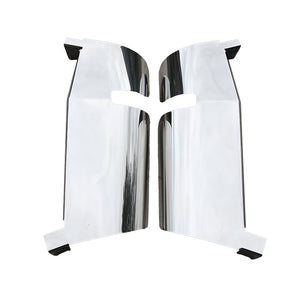
Mirrors clipped while manoeuvring.
Wheel trims damaged against kerbs.
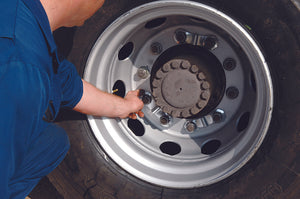
Loose wheel nuts identified during inspections.
These issues may seem insignificant individually, but over the lifetime of a fleet they consume workshop capacity, increase maintenance costs and reduce vehicle availability.
High-performing fleets increasingly look for practical ways to reduce this type of everyday damage through better driver awareness, smarter operating procedures and preventative protection where appropriate.
Reducing the frequency of small repairs often delivers greater long-term value than simply reducing the cost of repairing them.
5. Vehicle Presentation Isn't Treated as Cosmetic
A well-presented fleet creates a positive impression with customers, but the benefits extend much further than appearance.
Clean, well-maintained vehicles are easier to inspect.
Damage is spotted more quickly.
Drivers tend to take greater pride in vehicles that are consistently cared for.
For many operators, presentation reflects the overall culture of the business.
A fleet that looks well maintained often is well maintained.
While appearance alone doesn't guarantee operational excellence, it frequently goes hand in hand with disciplined maintenance standards.
6. They Standardise Wherever Possible
Complexity creates inconsistency.
Leading fleet operators work hard to standardise maintenance processes, inspection routines and equipment specifications wherever practical.
Drivers know exactly what to check during daily inspections.
Workshop teams follow consistent maintenance procedures.
Replacement components are easier to source.
Training becomes more straightforward.
Standardisation doesn't remove flexibility where it's needed, but it reduces unnecessary variation that can introduce errors, delays and additional cost.
7. They Continuously Look for Marginal Gains
Perhaps the biggest difference between average fleets and exceptional ones is mindset.
The best operators rarely rely on one major initiative to improve performance.
Instead, they focus on making lots of small improvements.
Reducing avoidable damage.
Improving inspection quality.
Shortening workshop turnaround times.
Making reporting easier.
Reviewing maintenance trends.
None of these changes are revolutionary on their own.
Together, they create a more reliable, efficient and resilient fleet operation.
Over months and years, those marginal gains become a significant competitive advantage.
Parma Perspective
“The fleets that consistently perform well rarely do so because of one major innovation. Success usually comes from disciplined processes, proactive maintenance and a commitment to continuous improvement. The businesses that prevent problems before they occur almost always spend less time reacting to them later.”
What Fleet Managers Can Take Away
Every fleet is different, but the principles behind high performance remain remarkably consistent.
The strongest operators don't simply maintain vehicles—they build systems that support reliability.
They use data to make informed decisions.
They encourage drivers to become active participants in vehicle care.
They focus on preventing recurring issues rather than repeatedly repairing them.
Most importantly, they recognise that operational excellence isn't achieved through one dramatic change. It's built through consistent habits repeated every day.
In an increasingly competitive transport industry, those habits can make the difference between constantly managing problems and confidently staying ahead of them.
Building More Reliable Fleets
Improving fleet performance doesn't always require major investment.
Often, the greatest gains come from reducing avoidable downtime, strengthening maintenance processes and protecting vehicles from everyday wear and damage.
Parma works with commercial fleets across the UK to support these goals through practical wheel safety and vehicle protection solutions that help keep vehicles on the road.

