




The Hidden Cost of Minor Fleet Damage (And Why It's Rising)
Small repairs. Big consequences. Why the most expensive damage to your fleet might not be what you think.
For most fleet operators, the biggest maintenance concerns are easy to identify. Engine failures, gearbox issues and accident damage naturally attract attention because they're expensive, disruptive and impossible to ignore.
It's the smaller repairs that often escape scrutiny.
A cracked mirror housing. A damaged wheel trim. Missing wheel nut indicators. A lamp surround clipped on a loading bay. Individually, they're relatively inexpensive. Collectively, they can quietly drain thousands of pounds from a maintenance budget over the course of a year.
The challenge isn't just the cost of replacing a part. It's the workshop time, the vehicle downtime, the disruption to schedules and the administrative effort that comes with every avoidable repair.
As operating costs continue to rise, the fleets achieving the best results are no longer asking, "How much does this repair cost?" They're asking, "How often does this happen, and could we stop it happening in the first place?"
The Real Cost Is Rarely on the Invoice
When a commercial vehicle needs a replacement mirror, trim or protective component, the invoice only tells part of the story.
Behind every repair sits a chain of additional costs:
-
Workshop labour
-
Parts ordering
-
Vehicle downtime
-
Route disruption
-
Driver inconvenience
-
Administration and scheduling
Modern commercial vehicles have also become significantly more sophisticated. Wing mirrors, for example, often incorporate heating elements, electric adjustment, indicators, cameras and blind-spot technology. What was once a straightforward replacement can now involve a complete mirror assembly, increasing both the cost and the time required to return the vehicle to service.
For busy transport operations, the greatest expense is often not the repair itself—it's having one less vehicle available to earn revenue.
Minor Damage Is Part of Everyday Fleet Operations
Commercial vehicles spend their working lives in environments where minor damage is almost inevitable.
Drivers negotiate narrow streets, distribution centres, customer premises, construction sites and busy depot yards every day. In these environments, mirrors, wheel trims and other exposed components are constantly at risk from low-speed contact with bollards, gates, kerbs and parked vehicles.
These aren't major accidents. They're the everyday knocks that come with operating large vehicles in restricted spaces.
Because each incident is relatively minor, they're often accepted as "just part of the job". But when the same types of repairs appear repeatedly across a fleet, they become more than isolated incidents—they become a pattern.
The Best Fleets Look for Patterns, Not Individual Repairs
One broken mirror tells you very little.
Twenty broken mirrors over twelve months tell you something far more valuable.
High-performing fleet operators don't just review maintenance invoices; they analyse recurring issues. They look for trends by vehicle type, operating route, depot or customer location.
Perhaps urban delivery vehicles account for the majority of mirror repairs. Maybe a particular customer site regularly results in damaged wheel trims. Perhaps one depot sees significantly more cosmetic damage than the rest of the network.
This approach shifts the conversation from reacting to repairs to understanding why they happen in the first place.
Once those patterns become visible, practical improvements are often much easier to identify.
Prevention Is Becoming Part of Fleet Maintenance
Preventative maintenance has traditionally focused on servicing—changing fluids, inspecting brakes and replacing worn components before they fail.
Increasingly, however, fleets are expanding that thinking to include preventative protection.
Rather than simply repairing damage, they're investing in ways to reduce the likelihood of it occurring.
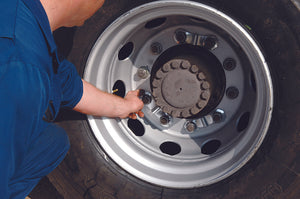
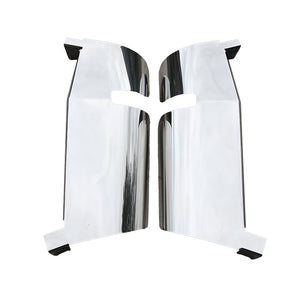
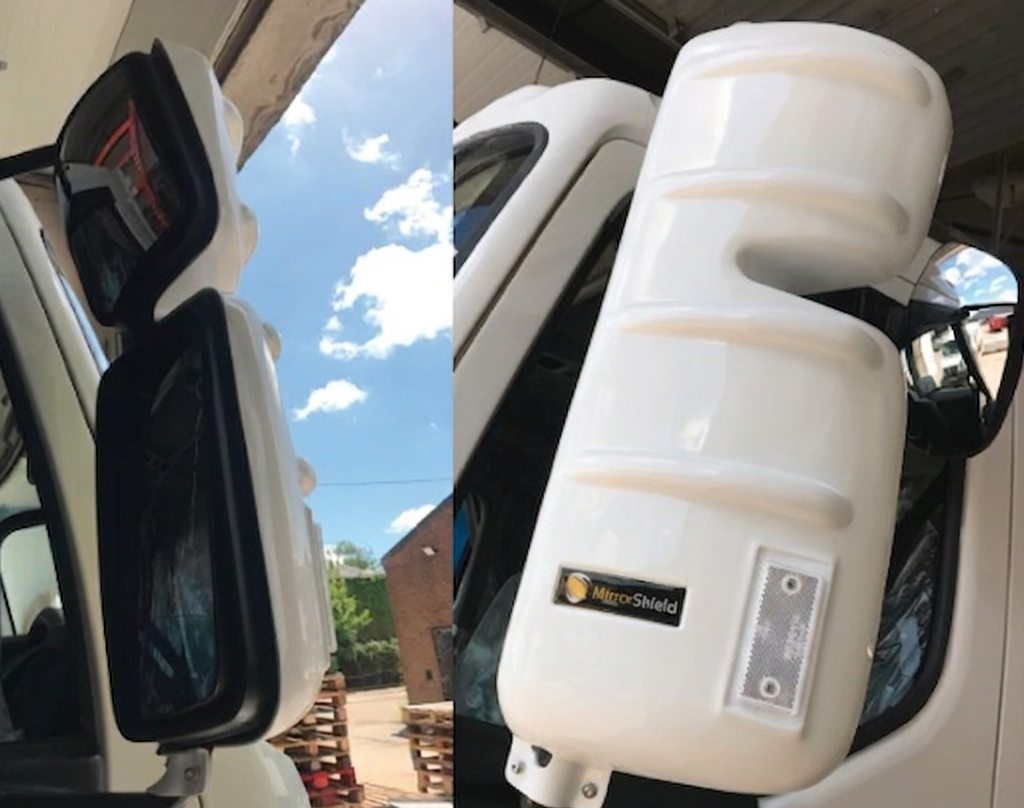
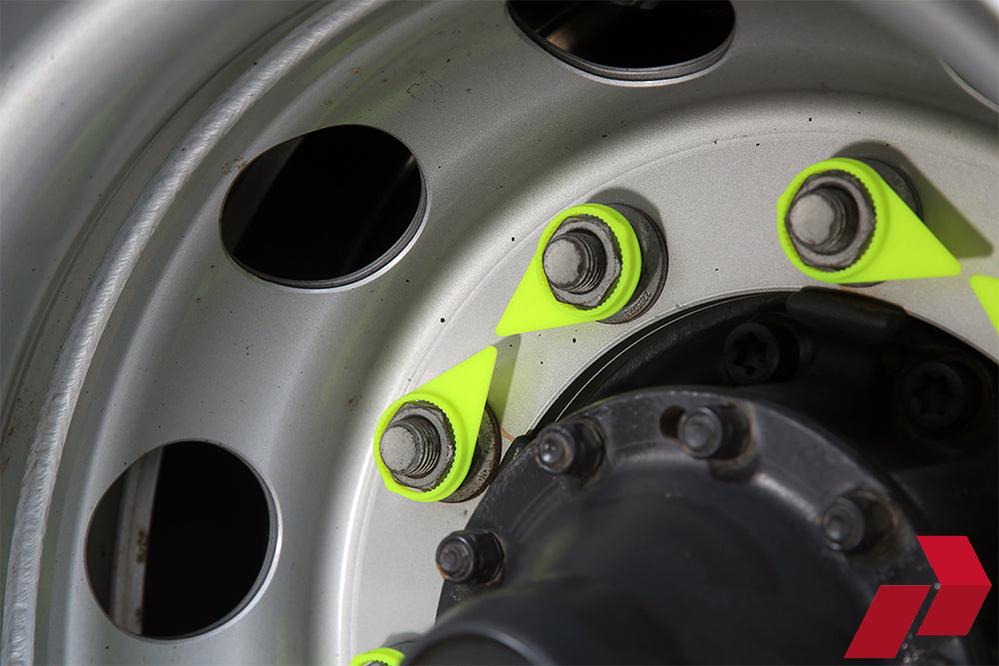
Products such as mirror guards, wheel nut indicators, wheel nut locks and protective wheel trims all serve the same purpose: reducing avoidable repairs that consume workshop time and take vehicles off the road.
These products won't eliminate every incident, but they can reduce the frequency of the everyday damage that steadily increases whole-life operating costs.
For many operators, preventing just a handful of repairs across each vehicle can justify the investment.
Driver Culture Still Matters
Technology and protective products are only part of the solution.
The most successful fleets also create a culture where drivers feel responsible for identifying and reporting minor damage early.
Encouraging thorough daily walkaround checks, prompt reporting and open communication allows maintenance teams to deal with issues before they develop into larger repairs.
Importantly, this isn't about assigning blame. Professional drivers operate in increasingly demanding environments and minor contact is sometimes unavoidable.
The objective is to identify recurring problems, learn from them and reduce their frequency over time.
What Fleet Managers Should Be Asking
If recurring repairs are increasing, it's worth stepping back and asking a few simple questions:
-
Which minor repairs occur most frequently?
-
Do they happen in particular locations or on specific routes?
-
What is the true cost once downtime is included?
-
Could some of these repairs be prevented rather than repaired?
-
Are maintenance records being used to identify long-term trends?
These questions often reveal opportunities that aren't immediately obvious when looking at individual workshop invoices.
Parma Perspective
“The most expensive repair isn't always the largest one—it's often the repair that happens repeatedly across the fleet. Operators who understand the cumulative impact of minor damage are increasingly moving away from reactive maintenance and towards preventative protection. Over the lifetime of a commercial vehicle, reducing even a small number of avoidable repairs can have a meaningful impact on operating costs, vehicle availability and fleet efficiency.”
Small Improvements Add Up
No fleet will eliminate minor damage completely. Commercial vehicles operate in demanding environments, and some level of wear is inevitable.
The difference is that the best-performing operators don't simply accept recurring repairs as an unavoidable cost of doing business. They analyse them, understand why they're happening and look for practical ways to reduce them.
In an industry where margins remain under pressure and vehicle availability is critical, preventing a repair is almost always more valuable than carrying one out efficiently.
Sometimes the biggest opportunities to improve fleet performance aren't found in major mechanical failures—they're found in the small repairs that happen every single day.
Reduce Avoidable Fleet Damage
Minor repairs may be inevitable, but recurring repairs don't have to be.
Parma helps commercial fleets reduce avoidable damage with practical wheel safety and vehicle protection solutions designed to improve uptime and lower whole-life operating costs.
Explore our range or speak to our team about the right solutions for your fleet.
