


Wheel Nut Cover Removal Tools Explained
Using the correct wheel nut cover removal tool helps prevent damage to both the wheel nut cover and the wheel assembly. This guide explains the different types of removal tools available, when to use them and why improvised methods often lead to unnecessary replacement costs.
Estimated reading time: 6 minutes
Who this guide is for: Fleet Managers • Workshop Managers • Commercial Vehicle Technicians • Parts Buyers • Owner Operators
Last reviewed: July 2026
Quick Answer
A wheel nut cover removal tool is specifically designed to remove commercial vehicle wheel nut covers safely without cracking the cover or damaging its finish.
Using screwdrivers, pliers or other improvised tools can damage the cover, distort its shape or scratch the wheel. A purpose-made removal tool provides a quicker, safer and more consistent method of removal during routine maintenance.
At a Glance
In this guide
-
What a wheel nut cover removal tool does
-
Different types of removal tools
-
Why using the correct tool matters
-
Common mistakes to avoid
-
Frequently asked questions
What Is a Wheel Nut Cover Removal Tool?
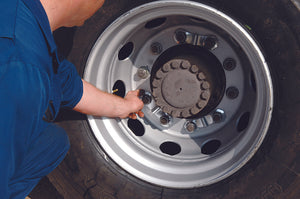
A wheel nut cover removal tool is a simple piece of equipment designed to grip a wheel nut cover securely and remove it without causing unnecessary damage.
Rather than concentrating force on one edge of the cover, these tools are designed to apply even pressure, making removal quicker and reducing the risk of cracking or distorting the plastic.
Although wheel nut covers are relatively inexpensive to replace, using the correct tool helps extend their service life and maintain a professional appearance across the vehicle.

Why Use a Purpose-Made Tool?
Commercial vehicle wheel nut covers are designed to fit tightly over the wheel nut.
That secure fit prevents them from becoming loose during normal vehicle operation, but it also means they should be removed carefully.
Using a purpose-made removal tool offers several advantages:
-
Reduces the risk of cracking the cover
-
Helps protect chrome-effect finishes from scratches
-
Makes removal quicker during servicing
-
Allows covers to be reused where appropriate
-
Reduces unnecessary replacement costs
For workshops removing wheel nut covers regularly, using the correct tool also helps maintain consistency across multiple vehicles.
Parma Expert Insight
Damaged wheel nut covers are often the result of poor removal techniques rather than normal wear. A dedicated removal tool is a simple investment that can help reduce unnecessary replacements over time.
Common Types of Wheel Nut Cover Removal Tools
Several styles of removal tools are available, depending on the type of wheel nut cover being removed.
Plastic Removal Tools
Plastic removal tools are designed to grip the wheel nut cover without damaging the finish.
They're lightweight, easy to use and suitable for most routine maintenance.
Metal Removal Tools
Some removal tools are manufactured from metal for increased durability.
These should always be used carefully to avoid scratching chrome-effect finishes or marking surrounding wheel components.
Loop or Ring Removal Tools
Loop-style tools fit over the wheel nut cover before being pulled away from the wheel.
Their simple design makes them popular in commercial vehicle workshops where wheel nut covers are removed frequently.
Manufacturer-Specific Tools
Some specialist wheel nut covers are supplied with dedicated removal tools designed specifically for that product.
Where available, using the manufacturer's recommended tool is always the best approach.
When Should You Use a Removal Tool?
A removal tool should be used whenever wheel nut covers need to be removed for:
-
Wheel inspections
-
Tyre replacement
-
Brake servicing
-
Suspension work
-
Wheel bearing maintenance
-
Cleaning behind the wheel nut covers
-
Replacement of damaged covers
Using the correct tool every time helps reduce accidental damage and keeps the covers suitable for reuse where possible.
Tools to Avoid
Improvised tools often create more problems than they solve.
Avoid using:
-
Flat-bladed screwdrivers
-
Pliers
-
Adjustable grips
-
Pry bars
-
Hammers
-
Sharp metal objects
These tools concentrate force in one area, increasing the likelihood of cracking the cover or scratching the wheel.
If a cover feels difficult to remove, additional force is rarely the answer.
Instead, check for dirt or contamination before trying again with the appropriate removal tool.
For more guidance, read How to Remove Wheel Nut Covers Without Damage.
Can Wheel Nut Covers Be Reused After Removal?
In most cases, yes.
If the cover:
-
Hasn't cracked
-
Still fits securely
-
Shows no signs of distortion
-
Hasn't suffered damage during removal
it can usually be refitted after maintenance.
However, any cover that has become loose or damaged should be replaced rather than reused.
Replacement wheel nut covers help maintain a consistent appearance while ensuring a secure fit.
Browse Parma's range of HGV, Bus, Truck & Trailer Wheel Nut Caps.
Good Workshop Practice
Whether you're maintaining one vehicle or an entire fleet, a few simple habits can help reduce damage.
-
Use the correct removal tool every time.
-
Clean around the cover before removal if contamination has built up.
-
Pull the cover away evenly rather than twisting it.
-
Store removed covers somewhere clean during servicing.
-
Inspect each cover before refitting.
These simple steps can help extend the life of your wheel nut covers and reduce unnecessary replacement costs.
For broader guidance on wheel inspections and maintenance, see Parma's Essential Fleet Wheel Maintenance Checklist.

Common Mistakes
Using Whatever Tool Is Available
A screwdriver may seem convenient, but it's one of the most common causes of cracked wheel nut covers.
Applying Excessive Force
If a cover doesn't come away easily, forcing it usually causes damage.
Check for contamination before trying again.
Throwing Removed Covers into a Toolbox
Loose wheel nut covers can become scratched or damaged before they're refitted.
Store them together in a clean container while work is carried out.
Refitting Damaged Covers
A cover that's cracked or distorted may no longer grip the wheel nut correctly.
Inspect every cover before reinstalling it.
Frequently Asked Questions
Do I always need a removal tool?
For the safest removal, yes.
Purpose-made tools reduce the risk of damaging both the wheel nut cover and the wheel.
Can I use pliers instead?
It's not recommended.
Pliers can crush or distort plastic wheel nut covers and may damage chrome-effect finishes.
Are removal tools universal?
Many removal tools are suitable for a wide range of commercial vehicle wheel nut covers, although some specialist products have dedicated removal tools.
Always check compatibility before use.
Why are my wheel nut covers difficult to remove?
Road dirt, brake dust and moisture can build up around the wheel assembly over time, making removal more difficult.
Cleaning the area first often helps.
Can a damaged wheel nut cover be reused?
If the cover has cracked, become distorted or no longer fits securely, replacement is usually the safest option.
Related Resources
Continue reading:
You may also find these Parma resources useful:
Remove Wheel Nut Covers Safely Every Time
Using the correct removal tool helps protect your wheel nut covers, reduces unnecessary replacement costs and supports efficient vehicle maintenance.
Whether you're maintaining a single vehicle or an entire fleet, Parma's range of HGV, Bus, Truck & Trailer Wheel Nut Caps provides reliable replacement solutions for commercial vehicles operating in demanding environments.
