


How to Remove Wheel Nut Covers Without Damage
Removing wheel nut covers should be a simple task, but using the wrong technique or tools can quickly lead to cracked covers, damaged finishes and unnecessary replacement costs. This guide explains the safest methods for removing commercial vehicle wheel nut covers without causing damage.
Estimated reading time: 7 minutes
Who this guide is for: Fleet Managers • Workshop Managers • Commercial Vehicle Technicians • Owner Operators • Commercial Vehicle Dealers
Last reviewed: July 2026
Quick Answer
The safest way to remove a wheel nut cover is by using a purpose-designed wheel nut cover removal tool. Avoid using screwdrivers, pliers or other improvised tools, as these can crack the cover, damage the finish or mark the wheel.
Removing the cover carefully helps protect both the wheel nut cover and the wheel assembly, making it easier to reuse the cover if required.
Browse Parma's range of HGV, Bus, Truck & Trailer Wheel Nut Caps.
At a Glance
In this guide
-
Why wheel nut covers become damaged
-
The safest removal method
-
Tools to avoid
-
When a cover should be replaced instead of reused
-
Frequently asked questions
Why Correct Removal Matters
Wheel nut covers are designed to fit securely over the wheel nut, helping them remain in place during normal vehicle operation.
That secure fit also means they should be removed carefully.
Many damaged wheel nut covers haven't failed through normal use—they've been damaged during servicing when the wrong tools or techniques were used.
Taking a little extra care during removal can:
-
Extend the life of the cover
-
Maintain its appearance
-
Reduce replacement costs
-
Prevent unnecessary damage to the wheel assembly
Parma Expert Insight
In many cases, the wheel nut cover itself is perfectly serviceable after maintenance. Damage usually occurs when technicians try to remove it with whatever tool happens to be closest rather than using equipment designed for the job.

The Best Way to Remove Wheel Nut Covers
The safest approach is straightforward.
Step 1 – Inspect the Cover
Before attempting removal, check for:
-
Existing cracks
-
Loose fitting
-
Signs of previous damage
-
Dirt or debris around the cover
If the cover is already damaged, take extra care as it may be more fragile during removal.
Step 2 – Use the Correct Removal Tool
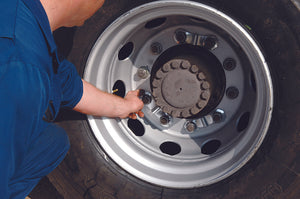
A dedicated wheel nut cover removal tool is designed to grip the cover evenly and remove it without applying excessive force.
Using the correct tool helps reduce the risk of:
-
Cracking the cover
-
Scratching the finish
-
Distorting the plastic
-
Marking the wheel
It also makes removal quicker and more consistent during routine servicing.
Step 3 – Pull the Cover Straight Off
Apply steady, even pressure.
Avoid twisting, levering or pulling the cover at an angle, as this places unnecessary stress on one side and increases the likelihood of damage.
If the cover feels unusually tight, stop and check that it isn't obstructed by dirt or corrosion before applying additional force.
Step 4 – Store the Covers Safely
If the wheel nut covers are being reused, place them somewhere clean while maintenance is carried out.
Avoid throwing them into toolboxes or leaving them on workshop floors where they can become scratched or damaged.
Tools You Should Avoid
Improvised removal methods often cause more harm than good.
Avoid using:
-
Flat-bladed screwdrivers
-
Pliers
-
Adjustable grips
-
Pry bars
-
Hammers
-
Sharp metal tools
Although these may remove the cover, they frequently leave scratches, cracks or permanent distortion.
The small amount of time saved rarely outweighs the cost of replacing damaged covers.
Can Wheel Nut Covers Be Reused?
In many cases, yes.
Provided the cover remains:
-
Secure
-
Undamaged
-
Free from cracks
-
Correctly shaped
it can usually be refitted after servicing.
However, if a cover has become loose, distorted or cracked during removal, replacing it is generally the better option.
Replacement wheel nut covers are relatively inexpensive and help maintain a consistent appearance across the vehicle.
Browse Parma's range of replacement HGV, Bus, Truck & Trailer Wheel Nut Caps.
Why Covers Become Difficult to Remove
Occasionally, wheel nut covers can become difficult to remove because of:
-
Dirt build-up
-
Road salt
-
Brake dust
-
Long periods without removal
-
Minor corrosion around the wheel assembly
Cleaning the area before removal can often make the process easier and reduce the force required.
Regular vehicle washing and inspection also help prevent excessive contamination from building up over time.
For wider advice on routine wheel inspections, see Parma's Essential Fleet Wheel Maintenance Checklist.

When Should a Wheel Nut Cover Be Replaced?
Removal provides a good opportunity to inspect each cover.
Replace the cover if you notice:
-
Cracks
-
Broken retaining clips
-
Distortion
-
Loose fitment
-
Severe fading
-
Missing sections
Refitting a damaged cover increases the likelihood of it becoming detached during normal vehicle operation.
If several covers show signs of wear, replacing a complete axle set often provides a smarter and more consistent appearance.
Common Mistakes
Levering the Cover Off
Using a screwdriver to prise the cover away from the wheel concentrates force in one area and is one of the quickest ways to crack it.
Twisting the Cover
Wheel nut covers are designed to be pulled away from the wheel rather than twisted off.
Twisting can distort the cover and reduce how securely it fits when refitted.
Reusing Damaged Covers
Even if a cracked cover appears to fit, it may no longer grip the wheel nut correctly.
Replacing damaged covers is usually the most reliable option.
Leaving Covers on the Workshop Floor
Wheel nut covers can easily become scratched, stepped on or contaminated while removed.
Keeping them together in a clean container helps prevent unnecessary damage.
Frequently Asked Questions
Can I remove wheel nut covers without a special tool?
It's possible, but it's not recommended.
Purpose-designed removal tools significantly reduce the risk of damaging the cover or wheel.
Will removing wheel nut covers damage them?
Not if the correct method and tools are used.
Wheel nut covers are designed to be removed for maintenance when necessary.
Can I reuse wheel nut covers after servicing?
Yes, provided they're still in good condition and fit securely.
Inspect each cover before refitting.
Why are my wheel nut covers difficult to remove?
Road dirt, brake dust and contamination can make removal more difficult over time.
Cleaning around the cover before removal often helps.
Should I replace damaged covers immediately?
Yes.
Damaged or loose-fitting wheel nut covers are more likely to become detached during normal vehicle operation and can affect the overall appearance of the vehicle.
Related Resources
Continue reading:
You may also find these Parma resources useful:
Keep Your Wheel Nut Covers in Good Condition
Using the correct removal method helps extend the life of your wheel nut covers, reduces replacement costs and maintains the professional appearance of your commercial vehicles.
If replacement covers are required, explore Parma's range of HGV, Bus, Truck & Trailer Wheel Nut Caps, designed for commercial vehicles operating in demanding environments.
