


Commercial Vehicle Wheel Nut Covers: The Complete Fleet Buyer's Guide
Everything fleet managers, workshop technicians and commercial vehicle operators need to know about choosing, maintaining and replacing wheel nut covers.
Estimated reading time: 10 minutes
Who this guide is for: Fleet Managers • Transport Managers • Workshop Managers • Commercial Vehicle Technicians • Owner Operators • Commercial Vehicle Dealers
Last reviewed: July 2026
Quick Answer
Commercial vehicle wheel nut covers are protective caps fitted over exposed wheel nuts on HGVs, trucks, buses, coaches and trailers. Their primary purpose is to improve vehicle presentation while helping to protect wheel nuts from dirt, moisture and everyday road contamination.
Choosing the correct size, profile and finish ensures a secure fit, a professional appearance and easier long-term maintenance. While wheel nut covers are not wheel safety devices, they are an important part of maintaining a well-presented commercial fleet.
If you're unsure which wheel nut covers are suitable for your vehicle, browse Parma's range of HGV, Bus, Truck & Trailer Wheel Nut Caps.
At a Glance
In this guide
-
What wheel nut covers are
-
Why commercial vehicles use them
-
The different types available
-
How to choose the correct wheel nut covers
-
Common buying mistakes
-
When to replace wheel nut covers
-
Frequently asked questions
Suitable for
-
HGVs
-
Trucks
-
Trailers
-
Coaches
-
Buses
-
Light commercial vehicles
What Are Wheel Nut Covers?
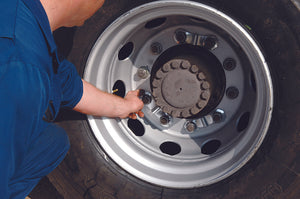
Wheel nut covers are protective caps that fit over the exposed wheel nuts on commercial vehicle wheels.
Usually manufactured from durable plastic with a chrome-effect or coloured finish, they provide a neat, consistent appearance while helping reduce the build-up of dirt, brake dust, road salt and moisture around the wheel nuts.
Although relatively inexpensive, wheel nut covers contribute to the overall presentation of a vehicle and help keep wheel assemblies looking cleaner between routine maintenance and washing.
For many fleet operators, they form part of a wider approach to vehicle presentation, alongside products such as Wheel Trims.

Why Wheel Nut Covers Matter
Commercial vehicles spend thousands of hours exposed to changing weather conditions, road spray, brake dust and debris.
These contaminants naturally accumulate around wheel assemblies, making them one of the dirtiest areas of any vehicle.
Wheel nut covers help minimise direct exposure to these elements while providing a cleaner, more uniform appearance across the wheel.
Although they don't eliminate corrosion or replace routine maintenance, they do provide several practical benefits.
Improved Vehicle Presentation
First impressions matter.
Whether your vehicles operate nationwide, deliver locally or represent your business on customer sites, the condition of the wheel assemblies contributes to the overall appearance of the fleet.
Missing, cracked or mismatched wheel nut covers can make an otherwise well-maintained vehicle appear neglected.
Replacing damaged covers is a simple and cost-effective way of maintaining a professional standard across your fleet.
Protection from Everyday Contamination
Wheel nut covers create a protective barrier over exposed wheel nuts.
This helps reduce direct contact with:
-
Brake dust
-
Road salt
-
Standing water
-
Mud
-
Grit
-
General road debris
While contamination will still occur over time, wheel nut covers help keep exposed wheel nuts cleaner between scheduled maintenance.
Easier Cleaning
Anyone responsible for cleaning commercial vehicles knows how quickly wheel assemblies become dirty.
Wheel nut covers help create a smoother wheel profile, making routine washing and cleaning quicker than cleaning around multiple exposed wheel nuts.
Consistency Across the Fleet
Many operators choose to standardise wheel nut covers across their fleet.
Using the same finish and style makes replacement ordering simpler, maintains a consistent appearance and supports a professional company image.
Parma Expert Insight
One of the most common reasons customers contact our team is because replacement wheel nut covers have been ordered based on the vehicle make rather than the wheel nut size. Confirming the wheel nut diameter before ordering helps avoid unnecessary returns and delays.

Are Wheel Nut Covers Safety Devices?
This is one of the questions our team is asked most often.
The answer is straightforward.
No.
Wheel nut covers are protective accessories.
They are designed to improve appearance and help protect exposed wheel nuts from everyday contamination.
They are not designed to:
-
Prevent wheel nuts from loosening
-
Replace wheel retention systems
-
Indicate wheel nut movement
-
Replace routine torque checks
-
Improve wheel security
If your objective is to monitor wheel nut movement or improve wheel safety, products such as Wheel Nut Indicators or Wheel Nut Locks are specifically designed for that purpose.
To understand the differences between the available wheel safety products, read our guide to Choosing a Wheel Safety Device.
Why Fleets Often Use Wheel Nut Covers Alongside Wheel Safety Products
Wheel nut covers and wheel safety devices perform very different roles.
Wheel nut covers help protect wheel nuts and improve the appearance of the vehicle.
Wheel safety products help operators identify potential wheel nut movement or provide additional wheel retention.
Because the two products solve different problems, many commercial fleets fit both.
For example, a fleet may install wheel nut covers to maintain vehicle presentation while also using Wheel Nut Indicators as part of its daily inspection procedures.
Find out more about Parma's range of Wheel Nut Indicators.
Types of Commercial Vehicle Wheel Nut Covers
Wheel nut covers are available in a range of sizes, profiles and finishes.
Selecting the correct combination is important for achieving both a secure fit and a consistent appearance.
Chrome Wheel Nut Covers
Chrome-effect wheel nut covers remain the most popular option for many commercial operators.
They're commonly chosen by:
-
Haulage companies
-
Coach operators
-
Owner drivers
-
Fleets where vehicle presentation is a priority
Their reflective finish complements polished wheel trims and creates a smart, professional appearance.
Black Wheel Nut Covers
Black wheel nut covers provide a more understated finish.
They're particularly popular with:
-
Construction fleets
-
Municipal vehicles
-
Utility companies
-
Waste management operators
Because the darker finish disguises everyday road dirt more effectively, they can be a practical choice for vehicles operating in demanding environments.
Coloured Wheel Nut Covers
Some fleet operators use coloured wheel nut covers as part of their operational procedures.
Applications include:
-
Depot identification
-
Fleet branding
-
Vehicle classification
-
Workshop identification
Flat or Domed?
Commercial vehicle wheel nut covers are generally manufactured in two profile styles:
-
Flat
-
Domed
The correct profile depends on the wheel assembly and the appearance you want to achieve.
Selecting the wrong profile can result in an inconsistent finish, even if the diameter is correct.
Our guide How to Choose the Right Wheel Nut Covers explains the different profile options and how to identify the correct specification.
Choosing the Correct Wheel Nut Covers
Selecting the correct wheel nut cover involves more than choosing a finish.
Professional workshops typically follow the same five-step process before ordering replacements.
1. Measure the Wheel Nut Diameter
The outside diameter of the wheel nut determines the size of the cover required.
Never assume every vehicle from the same manufacturer uses identical wheel hardware. Different axle specifications, replacement wheels and previous maintenance work can all affect compatibility.
Continue Reading: What Size Wheel Nut Cover Do I Need?
2. Select the Finish
Choose a finish that matches the rest of the fleet.
Most operators opt for:
-
Chrome
-
Black
-
Coloured finishes for identification purposes
Maintaining consistency across the fleet simplifies future replacement orders.
3. Confirm the Profile
Check whether your existing wheel nut covers are flat or domed.
Matching the existing profile helps maintain a uniform appearance across the wheel assembly.
4. Order the Correct Quantity
Replacing complete axle sets often provides a better visual finish than replacing individual missing covers, particularly where existing covers have weathered or faded over time.
5. Inspect Related Wheel Components
When replacing wheel nut covers, it's good practice to inspect other wheel accessories during the same maintenance period.
Depending on the condition of the vehicle, this may include:
-
Wheel Nut Indicators
-
Wheel Nut Locks
-
Wheel Trims
Reviewing these components together helps maintain a professional appearance while ensuring wheel safety products remain in good condition.
Common Mistakes When Buying Wheel Nut Covers
Ordering replacement wheel nut covers should be straightforward, but there are a number of common mistakes that can lead to incorrect fitment, unnecessary returns and avoidable costs.
Understanding these issues before ordering can save time and ensure your vehicles remain presentable and properly maintained.
Ordering by Vehicle Make Alone
One of the most common assumptions is that all vehicles from the same manufacturer use identical wheel nut covers.
In reality, wheel nut size can vary depending on factors such as:
-
Wheel specification
-
Axle configuration
-
Replacement hubs
-
Previous maintenance or modifications
Rather than relying solely on the vehicle make or model, always confirm the wheel nut diameter before placing an order.
Choosing the Wrong Profile
Even when the diameter is correct, selecting the wrong profile can affect both fit and appearance.
Flat and domed wheel nut covers are designed for different wheel assemblies, so it's important to match the profile already fitted to the vehicle.
If you're replacing only a few covers, mismatched profiles can make the wheel look inconsistent.
Mixing Different Finishes
Chrome and black wheel nut covers both have their place, but mixing finishes on the same vehicle rarely produces a professional result.
Where possible, maintain the same finish across each axle—or ideally across the entire fleet—to create a consistent appearance and simplify future replacement orders.
Waiting Until Covers Are Lost
A loose or damaged wheel nut cover can often be replaced before it becomes detached completely.
Routine inspections provide an opportunity to identify cracked, worn or poorly fitting covers before they are lost on the road.
Replacing them early helps maintain vehicle presentation and avoids the inconvenience of sourcing individual replacements later.
When Should Wheel Nut Covers Be Replaced?
Unlike tyres or braking components, wheel nut covers don't have a recommended replacement interval.
Instead, replacement should be based on their condition.
You should consider replacing wheel nut covers if they become:
-
Cracked
-
Loose fitting
-
Broken
-
Missing
-
Distorted
-
Severely faded or discoloured
Although cosmetic wear doesn't usually affect their ability to fit the wheel nut, replacing damaged covers helps maintain a professional appearance and reduces the likelihood of them becoming detached during normal vehicle operation.

Looking After Wheel Nut Covers
Wheel nut covers require very little maintenance, but regular inspections can help extend their lifespan.
As part of routine vehicle cleaning or servicing, check that each cover:
-
Is securely fitted
-
Is free from cracks or damage
-
Matches the rest of the wheel assembly
-
Has not become loose through repeated removal
Simple visual inspections can identify issues before replacement becomes necessary.
For guidance on incorporating wheel inspections into routine maintenance procedures, see Parma's Essential Fleet Wheel Maintenance Checklist.
Workshop Tip
If wheel nut covers need to be removed during servicing, use an appropriate removal tool and avoid levering them off with screwdrivers or other improvised tools. This reduces the risk of cracking or permanently distorting the cover.
Wheel Nut Covers and Fleet Presentation
For many operators, the appearance of a vehicle reflects the standards of the business behind it.
Small details—such as missing wheel nut covers, damaged trims or mismatched finishes—can undermine an otherwise well-maintained fleet.
Maintaining consistent wheel styling across all vehicles helps reinforce a professional image while making future maintenance and replacement ordering more straightforward.
If you're reviewing the overall appearance of your fleet, Parma's Wheel Styling Guide explains the different styling options available for commercial vehicles, including wheel trims, hub caps and wheel accessories.
Frequently Asked Questions
Do wheel nut covers fit every commercial vehicle?
No.
Wheel nut covers are manufactured in a range of diameters and profiles. Always measure the wheel nut before ordering to ensure the correct fit.
Can wheel nut covers help prevent corrosion?
Wheel nut covers help reduce direct exposure to moisture, dirt and road contaminants, but they should not be considered corrosion prevention products.
Routine cleaning and maintenance remain essential.
Can wheel nut covers fall off?
If a cover is damaged, worn or incorrectly sized, it may become loose over time.
Replacing damaged covers promptly and ensuring the correct fit helps minimise the risk of losing them during normal vehicle operation.
Should I replace one wheel nut cover or a complete set?
If only one cover has been damaged or lost, replacing it may be sufficient.
However, if several covers have become faded, cracked or worn, replacing a complete axle set often provides a more consistent appearance.
Are wheel nut covers and wheel nut indicators the same thing?
No.
Wheel nut covers improve appearance and help protect exposed wheel nuts from contamination.
Wheel nut indicators are designed to provide a visual indication of potential wheel nut movement during routine inspections.
Do I need wheel nut covers if I already use wheel nut indicators?
Yes—many fleets use both products together.
Wheel nut covers and wheel nut indicators perform different functions, so using one does not replace the need for the other.
For a comparison of the different wheel safety products available, see Choosing a Wheel Safety Device.
Further Reading
To continue learning about commercial vehicle wheel safety and maintenance, you may also find these resources useful:
Parma Resources
Need Help Choosing the Right Wheel Nut Covers?
Selecting the correct wheel nut covers doesn't have to be complicated.
Whether you're replacing a single missing cover or standardising an entire fleet, choosing the correct diameter, profile and finish will ensure the best fit and appearance.
Explore Parma's range of HGV, Bus, Truck & Trailer Wheel Nut Caps to find high-quality wheel nut covers designed for commercial vehicles.
