




Do We Actually Need Wheel Safety Devices?
One of the questions we get asked about most on social media is whether we even need wheel safety devices. Sometimes, we get told outright that they don't need them.
And... that's fine.
However, not something we would advise.
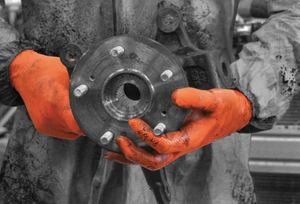
In the UK, the DVSA treats a detached wheel as one of the most serious mechanical failures. If a wheel comes off an HGV, it is essentially an 85+kg unguided missile. It can kill.
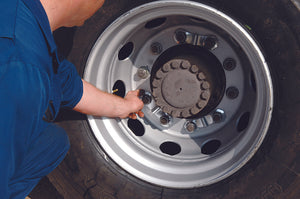
The thing is, wheel safety is all about being proactive, not reactive. There isn't a single one thing that goes wrong that causes wheel detachment. Sure, it's usually wheel nuts becoming loose - but why? Sometimes they're incorrectly torqued, so you could argue that you just need to torque properly (we'll come back to this in a bit), sometimes it's other underlying issues. While it might seem like a simple case of "not being tight enough," the reality involves complex mechanical factors.
Examples of these include:
- Nut Settlement: After wheel maintenance or fitting means that the torque loosens, and a check is not conducted after the standard 40-80km (25-50 miles).
- Surface Compression: When a wheel is first fitted, small amounts of dirt, rust, or even thick paint sit between the hub and the wheel.
- Thermal Cycling (Brake Heat): HGVs generate immense heat through their braking systems. This can soften some paints on the mating surface, and cause contraction and expansion. If a wheel nut is tightened while still warm and expanded, the components will "shrink" as they reach ambient temperature, leading to a loss of tension.
- Vibration: As you're travelling through the wonderful (cough cough) British roads, the wheel nuts are subject to a lot of vibration and micro-movements. Over time, this can lead to a slow unscrewing of the wheel nuts.
Okay, but can't we just check the torque often then?
Absolutely, and you should!
But what if something happens on the road? What if the loss of torque is missed in walk-around checks? It's easily done - especially during dark, wet and cold mornings. When you rely on torquing properly alone, you allow more room for human error.

So what do we do? We prevent over react.
By using wheel nut indicators and wheel nut locks, you are preventing something that could have been disastrous. Under the Road Vehicles (Construction and Use) Regulations, the driver is legally responsible for the vehicle's condition - but the company can also be found heavily at fault if the right support is not given.
Wheel nut indicators are great at assisting these walk-around checks. The indicators have a pointer, and aligning them to be in a specific pattern (often two pointers facing each other), drivers can see when a wheel nut has moved as the pointer will be misaligned.
The DVSA "Guide to Maintaining Roadworthiness" strongly recommends them. If a wheel comes off and you don't have them, the Traffic Commissioner may ask why you didn't use a "simple, low-cost safety measure."

Indicators help you spot a problem; locks help stop a problem. Wheel nut locks actively prevent wheel nuts from coming off. These fit securely over two adjacent wheel nuts, locking them together to prevent loosening and wheel detachment.
While not yet as widespread as indicators, these are quickly picking up traction across fleets in the UK and beyond. This is because they are the ultimate way to ensure wheels stay on your vehicles. Once applied correctly, these aren't going anywhere.
Brands such as Prolock have over 30 years of success - not a single wheel off incident has been reported with them being correctly fitted. 30 years of human mistakes, of dirt, and grime, of technical faults, and they've done their job throughout it all.

These are simple but effective designs that don't replace driver vigilance, but assists them instead.
So no, legally you don't need them. But why wouldn't you want to have them?
